


気象関連の片頭痛: 誘因、症状、治療法


The Hidden Connection Between Weather and Migraines

For millions of people worldwide, weather changes are not just a topic of conversation, but a source of debilitating pain. Weather-related migraines, also known as headaches associated with meteoropathy, affect approximately one-third of migraine sufferers, creating a complex relationship between atmospheric conditions and neurological symptoms (1).

This phenomenon, often considered a myth, is attracting increasing scientific attention as researchers uncover the biological mechanisms underlying weather-induced pain.

The connection between weather and migraines represents one of the most intriguing aspects of headache medicine. Unlike other migraine triggers such as diet, sleep, or stress, which can be controlled, weather changes are inevitable and unpredictable. This makes weather-related migraines particularly difficult to manage, requiring specialized approaches that combine scientific understanding with practical prevention strategies.

Recent research has shown that weather changes can influence migraine attacks in approximately 20% of cases, with particularly strong weather factors having an even more significant impact (2). For those who experience such headaches, understanding the mechanisms and developing effective management strategies can mean the difference between suffering during weather changes and maintaining a normal quality of life.

Understanding Weather Sensitivity

Meteoropathy, also known as weather sensitivity to atmospheric changes, refers to the physiological reaction of the body to changes in weather conditions. This phenomenon affects various body systems, including the nervous, cardiovascular, and musculoskeletal systems. In the context of migraines, weather sensitivity manifests as headaches, increased pain sensitivity, and neurological symptoms that correlate with certain weather conditions.

Neurobiological Basis of Weather Sensitivity

The human brain contains specialized receptors capable of detecting changes in atmospheric pressure, electromagnetic fields, and other environmental factors. These receptors, located primarily in the trigeminal nerve system (the same neural network involved in migraine pathophysiology), can trigger a cascade of neurological events leading to headache.

Dr. Shivang Joshi, a neurologist specializing in headaches, explains that weather changes can affect people with migraines through several mechanisms: "Weather changes and atmospheric pressure can impact people with migraines by influencing blood vessel constriction, oxygen levels, and the excitability of brain regions that process pain" (3).

Individual Differences in Weather Sensitivity

Not all people react to weather changes in the same way. Factors influencing individual sensitivity include:
  • Genetic predisposition. Some people inherit increased sensitivity to environmental changes.
  • Presence of neurological disorders. Those who suffer from migraines, epilepsy, or other neurological disorders may be more susceptible.
  • Age and gender. Research shows that women experience weather-related headaches more often than men (4).
  • Geographic location. People living in regions with frequent weather changes may have increased sensitivity.
  • General health condition. Chronic diseases and stress levels can intensify weather sensitivity.

Weather-Induced Migraines
The relationship between weather and migraines involves complex interactions between atmospheric conditions and human physiology. Modern scientific research has identified several key mechanisms through which weather changes can trigger migraine attacks.

Blood Vessel Theory

One of the main theories explaining weather-dependent migraines is related to changes in blood vessel behavior. Dr. Jennifer Moreira, a family medicine specialist at Baylor Scott & White Medical Center, notes that "weather changes can affect atmospheric pressure outside," which, in turn, impacts the constriction and dilation of blood vessels (5). When atmospheric pressure drops, blood vessels may dilate, potentially triggering pain in susceptible individuals.

Neurochemical Mechanisms

Weather changes can affect the production and release of key neurotransmitters involved in the pathophysiology of migraines, including:
  • Serotonin. Changes in atmospheric pressure can influence serotonin levels, which plays an important role in pain perception and mood regulation. Research shows that when atmospheric pressure drops, some people experience decreased serotonin levels in synaptic clefts, which can lead to increased neuronal excitability and lowered pain threshold sensitivity. Additionally, serotonin is involved in regulating vascular tone, and its fluctuations can contribute to abnormal dilation or constriction of brain blood vessels, which is one of the key mechanisms in the development of a migraine attack.
  • Dopamine. Weather sensitivity may be associated with changes in the functioning of dopamine receptors. Studies show that fluctuations in atmospheric pressure can affect the activity of the brain's dopaminergic system, which in turn can lead to changes in pain sensitivity threshold and enhanced perception of pain impulses in people predisposed to migraines. Disruptions in dopamine transmission can also contribute to prodromal migraine symptoms such as irritability, anxiety, and changes in appetite.
  • Noradrenaline. Changes in atmospheric conditions can affect the levels of stress hormones such as noradrenaline, which plays an important role in the body's response to external stimuli. Fluctuations in atmospheric pressure, temperature, and electromagnetic fields can activate the sympathetic nervous system, leading to the release of noradrenaline and other catecholamines that affect brain vessel tone and can contribute to the onset of a migraine attack.

Oxygen Availability Theory

Changes in atmospheric pressure can affect the availability of oxygen in the blood.

Lower atmospheric pressure means less available oxygen in the atmosphere, which can significantly affect blood supply to the brain and trigger headaches in weather-sensitive people. When oxygen availability decreases, brain tissues may experience mild hypoxia, which activates pain receptors and triggers inflammatory processes in cerebral vessels. This physiological mechanism can clearly explain why many people experience intense headaches when ascending to high altitudes (so-called "mountain sickness") or during the passage of atmospheric fronts accompanied by significant fluctuations in barometric pressure.

Trigeminal Nerve Sensitivity

The trigeminal nerve, which plays a key role in the pathophysiology of migraines, can be particularly sensitive to environmental changes. This complex neural network, consisting of three main branches (ophthalmic, maxillary, and mandibular), contains numerous specialized receptors that have evolutionarily developed to detect even minor changes in pressure, electromagnetic fields, and other atmospheric fluctuations.

When these receptors are activated by meteorological factors, they can initiate the release of neuropeptides such as calcitonin gene-related peptide (CGRP) and substance P, potentially triggering a complex neurobiological cascade of events, including neurogenic inflammation, sensitization of central and peripheral neurons, and ultimately leading to the characteristic pulsating pain and associated symptoms of a classic migraine attack.

Migraine Triggers: Atmospheric Pressure

Changes in atmospheric pressure represent the most well-documented weather trigger for migraines. Studies consistently show a correlation between atmospheric pressure fluctuations and the onset of headaches, making pressure monitoring an important component of migraine management for weather-sensitive individuals.

Understanding Atmospheric Pressure

Atmospheric pressure, also known as barometric pressure, is a physical quantity that characterizes the force with which air masses in the atmosphere exert pressure on all objects and the Earth's surface.

This important meteorological parameter never remains constant and continuously fluctuates under the influence of various weather systems and atmospheric phenomena, such as cyclones, anticyclones, and atmospheric fronts. In most regions of the globe, normal atmospheric pressure readings typically vary within a relatively narrow range - approximately from 756 to 767 mm Hg.

Notably, even minor deviations of this parameter from typical values can have a significant impact on the well-being of weather-sensitive people and, in particular, trigger migraine attacks in individuals with heightened sensitivity to such environmental changes.

A study conducted during a typhoon in Japan showed that 75% of people with migraines experienced attacks associated with falling atmospheric pressure, compared to 20% of those who had tension headaches (6). This demonstrates the particular vulnerability of migraine sufferers to pressure changes.

A 2024 study found that headaches associated with low atmospheric pressure occur more frequently in women, highlighting gender-specific aspects of weather sensitivity (7). However, scientists note that data on the relationship between atmospheric pressure and headaches remain ambiguous, indicating the need for further research.

Pressure Change Patterns and Migraine Onset

Various types of pressure changes can trigger migraines:

Sudden pressure drops.
Often occurring before storms and cyclones, these sudden decreases in atmospheric pressure are among the most common and well-documented migraine triggers. Medical research shows that even a relatively small pressure drop (by 5-10 mm Hg) can significantly increase the likelihood of an attack in weather-sensitive individuals.

These changes have an especially strong impact during the movement of atmospheric fronts, when pressure can change more rapidly than usual, not giving the body time to adapt to new conditions.

Gradual pressure changes.
Slow but steady changes in atmospheric pressure occurring over 24-48 hours can also serve as a powerful trigger for migraine attacks, especially in people with increased weather sensitivity.

Such smooth fluctuations in barometric readings, despite their relative gradualness, create a significant load on the body's adaptation mechanisms, which can lead to disruption of cerebral hemodynamics and subsequent development of pain syndrome even in the absence of sharp pressure jumps.

Pressure oscillations.
Rapid changes in atmospheric pressure in both directions (rise and fall) over short periods of time can be particularly provocative for people suffering from migraines. Such barometric "roller coasters" create a significant strain on the body, as physiological systems don't have time to adapt to rapidly changing conditions.

Research shows that pressure instability itself, rather than simply its increase or decrease, may be a key factor in triggering attacks in weather-sensitive migraine patients.

24-Hour Window
Large-scale clinical studies and observations by neurologists convincingly demonstrate that migraine attacks most often occur within a 24-hour interval after significant changes in atmospheric pressure.

This characteristic time delay between the meteorological event and the development of headache represents an important diagnostic window and emphasizes the need for a proactive approach to migraine management. Patients with increased weather sensitivity are recommended to keep a headache diary with parallel recording of meteorological parameters to identify individual patterns of response to weather changes.

Top 10 Migraine Triggers Beyond Weather Conditions


1. Sleep Deficiency or Sleep Disorders
Insufficient sleep, excessive sleep, or irregular sleep patterns can significantly increase the likelihood of migraine attacks. Research shows that changes in sleep patterns directly affect the neurochemical balance in the brain, disrupting the regulation of neurotransmitters involved in pain control, such as serotonin and dopamine. Patients with chronic migraines are especially sensitive to this factor, where even minor changes in sleep duration or quality can trigger a severe attack.

2. Stress and Emotional Tension
Stress is one of the most common migraine triggers, acting through activation of the hypothalamic-pituitary-adrenal axis. Elevated levels of cortisol and adrenaline, produced in response to stressful situations, contribute to the dilation and constriction of blood vessels in the brain, which is a key mechanism in the pathophysiology of migraines. Notably, migraines often occur not during peak stress, but in the relaxation phase after a stressful event – a phenomenon known as "weekend migraine."

3. Dietary Factors
Certain foods and beverages can initiate a cascade of biochemical reactions leading to migraines:
  • Foods containing tyramine: aged cheeses, fermented products, red wine
  • Foods with monosodium glutamate: some processed foods, Asian cuisine
  • Foods containing nitrates: processed meats, deli meats
  • Chocolate and cocoa products
  • Citrus fruits
  • Artificial sweeteners

4. Skipping Meals and Fasting
Long intervals between meals or complete fasting can trigger migraines through several mechanisms. Decreased blood glucose levels activate the sympathetic nervous system and stimulate the release of stress hormones, which can trigger a migraine attack. Additionally, fasting affects serotonin levels in the brain, which plays a key role in the pathophysiology of migraines. Studies show that regular eating with intervals of no more than 3-4 hours can significantly reduce the frequency of attacks in predisposed individuals.

5. Hormonal Fluctuations
In women, migraines are often linked to natural hormonal fluctuations. Menstrual migraines, occurring before or during menstruation, are caused by a sharp drop in estrogen levels. This type of migraine is characterized by particular intensity and resistance to standard therapy. Other hormonal triggers include ovulation, use of hormonal contraceptives, hormone replacement therapy, pregnancy, and menopause. It's important to note that hormonal migraines account for up to 60% of all cases in women of reproductive age.

6. Excessive Physical Activity
Intense physical exercise can trigger migraine attacks in predisposed individuals. This phenomenon, known as "exertional migraine," is explained by several mechanisms. First, during intense exercise, blood flow redistribution occurs, which can cause changes in cerebral hemodynamics. Second, the production of inflammatory mediators and lactate increases, which can sensitize the trigeminovascular system. Third, especially during endurance exercises, dehydration can occur, which is an independent trigger for migraines.

7. Sensory Stimuli
Various sensory stimuli can trigger a cascade of neurophysiological reactions leading to migraines:
  • Bright or flickering light: fluorescent lighting, electronic device screens, sun glare
  • Loud or repetitive sounds: traffic noise, loud music, industrial noise
  • Strong odors: perfumes, household chemicals, tobacco smoke, paint
  • Tactile stimuli: pressure on certain points of the head and neck

8. Insufficient Water Intake (Dehydration)
Insufficient fluid intake can trigger migraines even in individuals without a previous history of headaches. Dehydration leads to a decrease in circulating blood volume and increased blood viscosity, which impedes adequate blood supply to the brain. Additionally, dehydration increases the concentration of pro-inflammatory mediators in the blood, which can activate the trigeminovascular system. Clinical studies show that increasing daily water consumption to 1.5-2 liters can reduce the frequency and intensity of migraine attacks by 20-30%.

9. Medications
Some medications can act as migraine triggers or exacerbate existing headaches:
  • Vasodilators: nitrates, some antihypertensive medications
  • Hormonal medications: oral contraceptives, hormone replacement therapy drugs
  • Analgesics with excessive use: the phenomenon of "medication overuse headache" with regular use
  • Some antibiotics and antidepressants
It is particularly important to note that excessive use of pain medications (more than 10-15 days per month) can lead to the development of "medication overuse headache" – a chronic condition requiring specialized treatment.

10. Altitude and Pressure Changes During Air Travel
Air travel can trigger migraine attacks through several mechanisms. Rapid altitude changes during takeoff and landing cause fluctuations in atmospheric pressure, which can directly affect the trigeminovascular system. The low humidity level in the aircraft cabin (typically around 20%) contributes to rapid dehydration, which is an independent migraine trigger. Additional risk factors include sleep disruption when crossing time zones, travel-related stress, and changes in eating patterns. To prevent "aviation" migraines, it is recommended to consume sufficient water before and during the flight, avoid alcohol and caffeine, and apply preventive medication strategies.

Migraines and Solar Flares

In addition to terrestrial weather phenomena, cosmic events such as geomagnetic storms and solar flares can also affect the frequency and intensity of migraines. Although this connection remains an area of active research, emerging data suggest that disturbances in Earth's magnetic field can impact human physiology, including headache patterns.

Understanding Geomagnetic Storms

Geomagnetic storms are complex geophysical phenomena that occur as a result of the interaction between high-speed charged particles from solar wind and Earth's protective magnetosphere, leading to significant disturbances in our planet's magnetic field.

These atmospheric events are typically initiated by powerful solar flares – impressive energy explosions occurring in the photosphere and chromosphere of the Sun, which release enormous quantities of charged particles into space, including protons and electrons.

When the concentrated stream of these high-energy particles reaches Earth's magnetosphere, usually 1-3 days after a solar flare, it causes substantial fluctuations and distortions in Earth's magnetic field, leading to the development of a full-fledged geomagnetic storm capable of affecting not only technical systems but also biological organisms, including humans (8).

Research on the Connection Between Geomagnetic Activity and Migraines
A study published in Cephalalgia (2016) showed that the frequency of migraine attacks was significantly higher during geomagnetic storms (9). Research on the relationship between solar flares and primary headaches using Twitter data revealed patterns suggesting a connection between geomagnetic activity and headache reports (10).

However, evidence linking geomagnetic activity and migraines remains questionable. Most studies were small (fewer than 50 patients) and did not cover periods of maximum solar activity (11). The complexity of isolating geomagnetic effects from other environmental factors makes these studies particularly difficult.

Control your weather-related pains:
  • Monitor weather changes
  • Manage weather-related symptoms
  • Adapt to weather changes

It's time to harness weather forecasting technology to protect your health

Proposed Mechanisms

Several theories attempt to explain how geomagnetic storms may trigger migraines:
  • Electromagnetic sensitivity. Some people may have heightened susceptibility to fluctuations in electromagnetic fields, which can significantly impact the functioning of the central and peripheral nervous systems, disrupting electrochemical processes in neurons and triggering a cascade of physiological reactions, ultimately leading to migraine attacks with characteristic pulsating pain and accompanying autonomic symptoms.
  • Disruption of circadian rhythms. Geomagnetic storms can have a substantial impact on the natural circadian rhythms of the human body, disrupting complex biochemical processes that regulate the sleep-wake cycle. Such disruptions can lead to significant changes in sleep patterns, including problems with falling asleep, maintaining continuous sleep, and early awakening. Additionally, these magnetic field fluctuations can interfere with the normal production of key hormones such as melatonin, cortisol, and serotonin, which play a critical role in regulating not only circadian rhythms but also pain sensitivity. The combination of these factors creates a favorable physiological environment for triggering a cascade of neurochemical reactions, ultimately leading to the development of migraine attacks in predisposed individuals.
  • Impact on the autonomic nervous system. Changes in the magnetic field can have a significant effect on the human autonomic nervous system, which is responsible for the autonomous regulation of multiple physiological processes. These geomagnetic fluctuations can disrupt the delicate balance between the sympathetic and parasympathetic systems, which in turn leads to changes in the tone of blood vessels, especially in cerebral circulation. Such vascular fluctuations directly affect cerebral blood flow, creating conditions for activation of the trigeminovascular system and subsequent release of neuropeptides involved in the perception and transmission of pain signals.
  • Effects on the pineal gland. The pineal gland (epiphysis), responsible for the synthesis and secretion of melatonin – a key neurohormone regulating circadian rhythms, has remarkable sensitivity to magnetic field fluctuations. Numerous experimental studies demonstrate that geomagnetic disturbances can modulate the activity of this neuroendocrine organ, disrupting the normal secretion of melatonin and other biologically active substances. Such perturbations in pineal gland functioning can lead to significant disruptions in sleep architecture, changes in circadian rhythms and, consequently, increased neuronal excitability and lowered pain sensitivity threshold, creating a favorable physiological background for the initiation and development of migraine attacks in predisposed individuals.

Solar Cycles and Migraines

The sun goes through an 11-year activity cycle, characterized by alternating periods of high and low solar activity that affect various geophysical processes on Earth. During solar activity peaks, which typically last 2-3 years, solar flares and coronal mass ejections occur with much greater frequency and intensity, leading to increased geomagnetic disturbances in Earth's atmosphere.

These geomagnetic storms can reach significant power, classified on a G1-G5 scale, and have multifaceted effects not only on technological systems but also on biological organisms.

Some clinical researchers and epidemiologists hypothesize that there is a statistically significant correlation between the frequency, intensity, and duration of migraine attacks and certain phases of the solar cycle, especially during periods of maximum solar activity when geomagnetic disturbances reach their peak.

Other Weather Factors Triggering Migraines

Beyond changes in atmospheric pressure and geomagnetic storms, several other weather factors can trigger migraines in sensitive individuals. Understanding these various triggers is essential for comprehensive migraine management.

Humidity and Migraine Attacks
Humidity levels can significantly affect the frequency and intensity of migraines in weather-sensitive people.

Numerous clinical observations and studies show that both extremely high and excessively low environmental humidity can act as powerful triggers for migraine attacks, affecting neurophysiological mechanisms and causing a cascade of biochemical reactions in the body.

These humidity changes impact the balance of electrolytes in tissues, cellular membrane permeability, and the functioning of ion channels, which can ultimately lead to activation of the trigeminal nerve pain pathways and the development of characteristic pulsating headaches, accompanied by nausea and hypersensitivity to light and sound:

Temperature Fluctuations

Sudden temperature changes, especially fluctuations greater than 10°F (5.5°C) within 24 hours, can trigger migraines in predisposed individuals. This occurs because our bodies strive to maintain homeostasis, and sudden temperature fluctuations create significant stress on the neurovascular system. The mechanism of migraine development in these cases may include several important physiological processes:
  • Sudden changes in the diameter of blood vessels in the brain, which respond to temperature fluctuations by expanding or constricting, potentially activating the trigeminovascular system and triggering a cascade of inflammatory reactions in the meninges
  • Stress on the body's thermoregulatory system, which is forced to work intensively to maintain optimal body temperature, requiring significant energy expenditure and potentially causing changes in the metabolism of neurotransmitters involved in pain signal transmission
  • Disruption of sleep patterns and circadian rhythms resulting from temperature discomfort, leading to increased neuronal excitability and lowered pain sensitivity threshold

Seasonal Patterns
Many migraine sufferers notice seasonal changes in their headaches:
  • In spring, elevated levels of plant pollen and allergens in the air, frequent and unpredictable weather changes characteristic of the transitional season, as well as gradual adjustment in daylight duration, which affects circadian rhythms and hormone production in the body
  • In summer, extremely high temperatures contributing to dehydration, increased air humidity hindering the body's thermoregulation, and intensified sunlight that can provoke photophobia and enhance visual sensitivity
  • In autumn, gradual decrease in average daily temperatures, significant reduction in daylight duration affecting serotonin and melatonin synthesis, as well as increased activity of atmospheric fronts leading to frequent fluctuations in barometric pressure
  • In winter, consistently low and sometimes extremely cold temperatures causing vascular spasms, extremely low humidity in heated rooms leading to dehydration of mucous membranes, and substantial reduction in natural sunlight exposure contributing to seasonal affective disorders

Atmospheric Ions and Electrical Activity

Changes in the concentration of atmospheric ions, especially positive ones, can trigger migraines in sensitive individuals.

Scientific research shows that increased levels of positive ions in the atmosphere can influence the bioelectrical activity of the brain and cause changes in neurotransmitter systems, which in turn can trigger the mechanism of migraine attack development.

These significant fluctuations in the ionic composition of air often occur in certain conditions and locations:
  • Before thunderstorms, when atmospheric electricity accumulates and creates a high concentration of positively charged particles, which can be a precursor to migraines in weather-sensitive people 24-48 hours before the actual meteorological event.
  • During certain wind patterns, especially phenomena such as föhn, sirocco, or chinook, which are characterized by special thermodynamic properties and can transport significant masses of air with altered ionic composition over long distances.
  • In areas with high pollution levels, where industrial emissions, automobile exhaust, and other anthropogenic factors significantly disrupt the natural balance of negative and positive ions in the atmosphere, creating additional stress on the body's adaptation mechanisms.
  • Near large bodies of water, especially during storms or strong wave action, when the process of water droplet breakup (Lenard effect) leads to the release of significant amounts of charged particles that change the electrical characteristics of the surrounding air.

Prevention and Treatment of Weather-Related Migraines

Although we cannot control the weather, there are numerous effective strategies and methods that can significantly help reduce the impact of weather changes on the frequency, duration, and intensity of migraine attacks. Proper application of these strategies combined with a personalized approach can substantially improve the quality of life for people suffering from weather-dependent migraines, allowing them to lead a more predictable and comfortable lifestyle despite nature's caprices.

Preventive Measures
  • Keep a migraine diary. Record the dates and times of attacks, detailed weather conditions (including atmospheric pressure, humidity, temperature, and geomagnetic situation), other potential triggers (stress, lack of sleep, certain foods), and detailed description of symptoms (pain intensity, location, accompanying phenomena). Regularly maintaining such a diary for 2-3 months will reveal statistically significant correlations and identify your individual weather triggers, which is a key step toward effective migraine management.
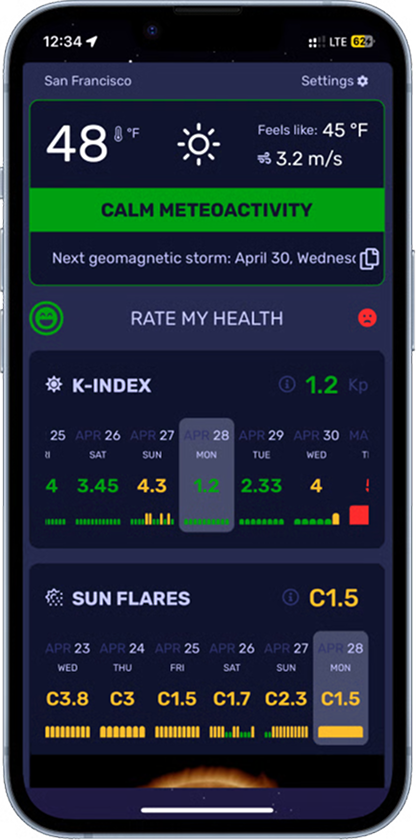
  • Use weather forecasts. Modern meteorological applications (including Meteoagent) provide detailed warnings about approaching weather changes, atmospheric fronts, and geomagnetic storms, allowing you to prepare in advance for potentially problematic periods. Set up notifications to receive timely alerts about sharp fluctuations in pressure, humidity, and other meteorological parameters that may act as your individual triggers. This proactive approach gives you the opportunity to adjust your plans and take preventive measures before unfavorable weather conditions occur.
  • Maintain a regular routine. Following a stable schedule for sleep, meals, and physical activity can make your body more resistant to weather changes.
  • Avoid known triggers. During days with unfavorable weather, it's especially important to avoid other known migraine triggers (stress, certain foods, alcohol).

Environmental Control

  • Regulate indoor humidity. Humidifiers or dehumidifiers can help maintain a comfortable humidity level (40-60%).
  • Use air ionizers. They can reduce the impact of changes in atmospheric ions, especially before thunderstorms.
  • Control temperature. Maintain stable, comfortable indoor temperature, even when sharp fluctuations occur outside.
  • Apply air purifiers. They can reduce the impact of pressure changes by removing pollutants and allergens that may exacerbate symptoms.

Medication Strategies
  • Preventive medications. During periods of predictable weather changes or before geomagnetic storms, it may be beneficial to start prophylactic medication in consultation with your doctor. Some patients report significant reduction in frequency and intensity of attacks with timely use of beta-blockers, calcium channel blockers, or anticonvulsants. Studies show that starting preventive medications 24-48 hours before expected unfavorable weather conditions can substantially reduce the risk of migraine development. It's important to remember that the choice of specific medication should be based on individual patient characteristics, comorbidities, and potential side effects.
  • Emergency medications. Keep migraine abortive medications on hand, especially when unfavorable weather conditions are forecast. Prepare a kit of necessary medications in advance, including pain relievers, triptans, or nonsteroidal anti-inflammatory drugs, so they can be taken at the first signs of an impending attack. Clinical studies show that early use of abortive medications significantly increases their effectiveness and can prevent the development of a full-scale migraine attack. Follow your doctor's recommendations regarding dosage and frequency of these medications, especially during periods of meteorological instability.
  • Natural supplements. Some dietary supplements have demonstrated effectiveness in reducing the frequency and intensity of migraines in certain patient groups. Magnesium, which plays an important role in neuromuscular conduction and cell membrane stability, is especially useful for migraines related to weather changes. Studies show that a dosage of 400-600 mg of magnesium per day can reduce attack frequency by 30-40%. Riboflavin (vitamin B2) at a dose of 400 mg daily helps improve mitochondrial function and energy metabolism in brain cells, which is particularly important for weather sensitivity. Coenzyme Q10, a powerful antioxidant and component of the mitochondrial electron transport chain, at a dosage of 100-300 mg per day has also shown good results in preventing weather-related migraines. Prior consultation with a doctor is essential before starting any supplements to rule out possible contraindications and interactions with other medications.

Physiological Approaches

  • Hydration. Maintain optimal hydration levels by consuming sufficient water throughout the day, especially during periods of low humidity or high temperatures. Fluid deficiency can significantly increase sensitivity to weather triggers and provoke more intense migraine attacks. It's also helpful to avoid dehydrating beverages containing caffeine and alcohol, which can exacerbate symptoms.
  • Protection from light. Use sunglasses with high-quality polarization in bright sunlight, especially during periods of meteorological changes. Polarized lenses effectively block reflected light and reduce its intensity, significantly reducing eye strain and discomfort that often precede migraine attacks. Research shows that special tinted lenses with pink or greenish hues can be particularly beneficial for weather-sensitive individuals, as they filter certain light waves most commonly provoking photophobia and related headaches.
  • Regular physical exercise. Moderate regular activity can significantly increase the body's resistance to various stress factors, including weather changes. Studies show that 30-40 minutes of aerobic exercise 3-4 times a week helps improve blood circulation, reduce inflammation, and stabilize neurochemical processes in the brain. This is especially important for weather-sensitive people, as regular training helps normalize autonomic responses, making the body less susceptible to fluctuations in atmospheric pressure, temperature, and humidity. Preference should be given to moderate-intensity exercises such as walking, swimming, or yoga, avoiding excessive workloads that can themselves become migraine triggers.

Psychological Methods
  • Relaxation techniques. Meditation, deep breathing, and progressive muscle relaxation are powerful tools for reducing susceptibility to weather-related migraine triggers. Regular practice of these methods promotes activation of the parasympathetic nervous system, leading to reduced stress levels, stabilized blood pressure, and decreased muscle tension. Studies show that just 15-20 minutes of daily meditation or breathing exercises can significantly reduce the frequency of migraine attacks related to weather changes and improve the body's overall resistance to external stressors.
  • Cognitive Behavioral Therapy (CBT). Can help change reactions to pain and stress associated with anticipating migraine attacks. This scientifically validated therapeutic method focuses on identifying and changing negative thought patterns and behaviors that may exacerbate symptoms. During CBT sessions, patients learn to recognize catastrophic thoughts about pain, replace them with more realistic interpretations, and develop effective coping strategies for managing anxiety related to weather changes. Studies show that regular CBT sessions can not only reduce attack frequency but also significantly improve quality of life, even with uncontrollable triggers such as weather conditions.
  • Biofeedback. This highly effective therapeutic method allows patients to learn conscious control of various physiological processes (including muscle tension, skin temperature, heart rate, and brain electrical activity) that normally occur automatically. Using special devices that display these processes in real-time, people can develop personalized self-regulation techniques that substantially reduce the likelihood of migraine attacks or significantly decrease their intensity and duration, especially in the presence of weather triggers.

Folk Remedies with Scientific Basis

  • Ginger tea. Research shows that ginger can help with migraine-related nausea and has anti-inflammatory properties. Ginger root contains more than 400 active compounds, including gingerols and shogaols, which effectively block pro-inflammatory cytokines and modulate pain signals. Clinical studies demonstrate that regular consumption of ginger tea (1-2 cups daily) can reduce migraine attack frequency by 25-30% in susceptible patients. For optimal effect, it's recommended to steep fresh grated ginger (about 2 cm of root) in hot water for 5-10 minutes, adding a small amount of honey or lemon to improve the taste.
  • Peppermint oil. Topical application of diluted peppermint oil to the temples and forehead can provide temporary relief for some people. Peppermint essential oil contains menthol, which creates a cooling effect upon skin contact, helping to relax tense muscles and reduce inflammation. Studies show that such application can reduce headache intensity and duration, especially for migraines without aura. It's recommended to mix 2-3 drops of peppermint oil with a carrier oil (such as coconut or almond oil) before application to avoid skin irritation and achieve optimal therapeutic effect.
  • Acupressure. Applying pressure to certain points (especially in the area between the thumb and index finger

When to See a Doctor
Despite all preventive measures, it's important to know when professional help is needed:
  • If your migraines become more frequent or severe
  • If usual treatment methods stop working
  • If you develop new or unusual symptoms
  • If headache occurs suddenly and is very intense ("thunderclap")
  • If headache is accompanied by fever, neck stiffness, confusion, seizures, double vision, or weakness

Conclusion

While we cannot control the weather, understanding how atmospheric changes affect our bodies allows us to be better prepared. For people suffering from weather-related migraines, a combination of preventive measures, environmental control, medication strategies, and alternative treatment methods can significantly improve quality of life.

The most important thing is to study your individual triggers and reactions. What works for one person may not work for another. Patience and consistency in finding effective management strategies will ultimately lead to better control over weather-related migraines.

Remember that with the right tools and knowledge, you can significantly reduce the impact of weather on your migraines and regain control of your life.

References and Sources
  1. American Migraine Foundation. "Barometric Pressure and Migraine." December 12, 2022. https://americanmigrainefoundation.org/resource-library/barometric-pressure-migraine/
  2. National Center for Biotechnology Information. "Whether Weather Matters with Migraine." PubMed, 2024. https://pubmed.ncbi.nlm.nih.gov/38358443/
  3. Association of Migraine Disorders. "S6:Ep9 – Weather, Barometric Pressure, and Migraine." October 2, 2024. https://www.migrainedisorders.org/podcast/s6ep9-weather-barometric-pressure/
  4. Healthline. "Barometric Pressure Headaches: What You Should Know." November 27, 2024. https://www.healthline.com/health/headache/barometric-pressure-headache
  5. Baylor Scott & White Health. "Barometric pressure headaches: When weather is a pain in the head." https://www.bswhealth.com/blog/barometric-pressure-headaches-when-weather-is-a-pain-in-the-head
  6. Weather.com. "Forecasting Pain: How Weather Patterns Influence Migraines." January 13, 2025. https://weather.com/health/migraine/news/2024-11-11-weather-triggers-pressure-sunlight-management
  7. Healthline. "Barometric Pressure Headaches: What You Should Know." November 27, 2024. https://www.healthline.com/health/headache/barometric-pressure-headache
  8. Universe Magazine. "Am I a fool for believing in magnetic storms? Spoiler: not quite." June 3, 2025. https://universemagazine.com/en/complex-things-in-simple-words-how-are-we-affected-by-magnetic-storms/
  9. Wholistic Health. "Geomagnetic Disturbances and Physical Health." https://www.wholistic.com/blog/Geomagnetic-Disturbances-Physical-Health
  10. National Center for Biotechnology Information. "Revisiting the connection between Solar eruptions and primary headaches and migraines using Twitter." PMC, 2016. https://www.ncbi.nlm.nih.gov/pmc/articles/PMC5180106/
  11. National Center for Biotechnology Information. "Revisiting the connection between Solar eruptions and primary headaches and migraines using Twitter." PMC, 2016. https://www.ncbi.nlm.nih.gov/pmc/articles/PMC5180106/
  12. Medical News Today. "Migraine forecasts: Do they work for managing migraine?" January 16, 2024. https://www.medicalnewstoday.com/articles/migraine-forecast
  13. American Migraine Foundation. "Barometric Pressure and Migraine." December 12, 2022. https://americanmigrainefoundation.org/resource-library/barometric-pressure-migraine/
  14. Association of Migraine Disorders. "S6:Ep9 – Weather, Barometric Pressure, and Migraine." October 2, 2024. https://www.migrainedisorders.org/podcast/s6ep9-weather-barometric-pressure/
Additional Academic References:
天候の変化は本当に片頭痛を引き起こすことがありますか?
はい。天候関連の片頭痛は片頭痛患者の約3分の1に影響を及ぼし、研究によると天候の変化は約20%の症例で片頭痛発作に影響を与える可能性があり、特に強い気象要因はさらに大きな影響を及ぼします。
気圧と片頭痛を結びつける主なメカニズムは何ですか?
気圧の変化は脳内の血管の収縮と拡張に影響を与えます。気圧が低下すると血管が拡張し、感受性の高い人に痛みを引き起こす可能性があります。また、気圧の変化は酸素供給、セロトニン、ドーパミン、ノルアドレナリンのレベルに影響を与え、片頭痛の病態生理に関与する三叉神経系を活性化することがあります。
片頭痛を引き起こすにはどの程度の気圧低下が必要ですか?
医学研究によると、5〜10 mm Hgという比較的小さな気圧低下でも、特に気象過敏症の人では発作の可能性が大幅に高まることが示されています。特に気圧前線の移動中に急激な変化が起こると顕著です。
気圧変化後、片頭痛発作は通常どのくらいで発生しますか?
片頭痛発作は、気圧の大きな変化から24時間以内に発生することが最も多く、これは気象過敏症の患者にとって重要な診断の窓口となります。
磁気嵐や太陽フレアは片頭痛を引き起こす可能性がありますか?
新たな研究では可能性が示唆されています。Cephalalgia(2016)に掲載された研究では、磁気嵐の間に片頭痛発作の頻度が有意に高いことが示されましたが、ほとんどの研究が小規模(患者数50人未満)で太陽活動極大期をカバーしていなかったため、証拠は依然として疑問視されています。
磁気嵐が片頭痛を引き起こすメカニズムとして提唱されているものは何ですか?
提唱されているメカニズムには、電磁過敏症の亢進によるニューロン機能の乱れ、概日リズムとホルモン産生の乱れ、自律神経系と脳血流への影響、松果体のメラトニン分泌への影響などがあり、これらすべてが痛み感受性閾値を低下させ、片頭痛の発症を促進する可能性があります。
湿度は片頭痛の頻度に影響しますか?
はい。極端に高い湿度と過度に低い湿度の両方が片頭痛発作の強力な引き金となる可能性があります。組織の電解質バランス、細胞膜透過性、イオンチャネル機能に影響を与え、三叉神経の痛み経路を活性化する可能性があります。
片頭痛を誘発するのに十分な気温変化はどのくらいですか?
24時間以内に10°F(5.5°C)以上の急激な気温変動は、脳の血管径の急激な変化と体温調節システムへのストレスを引き起こし、素因のある人に片頭痛を誘発する可能性があります。
天候関連の片頭痛を予防する最も効果的な方法は何ですか?
主な対策としては、発作とともに気象条件を記録する片頭痛日記をつけること、気圧や地磁気の変化を事前に知らせる天気予報アプリを利用すること、規則正しい睡眠と食事の習慣を維持すること、室内の湿度と温度を管理すること、十分な水分補給をすること、場合によっては予想される悪天候の24〜48時間前に予防薬を開始することなどが挙げられます。
サプリメントは天候による片頭痛の軽減に役立ちますか?
いくつかのサプリメントには効果が期待できます。研究によると、マグネシウムを1日400〜600 mg摂取することで発作頻度が30〜40%減少する可能性があり、リボフラビン(ビタミンB2)を1日400 mg摂取するとミトコンドリア機能の改善により効果が得られる可能性があり、コエンザイムQ10を1日100〜300 mg摂取すると天候関連片頭痛の予防に良好な結果が示されています。ただし、サプリメントを始める前に医師に相談する必要があります。