Gezegendeki her üç kişiden biri de bunu hissediyor
Atmosfer Basıncı Dalgalanmalarının Neden Olduğu Baş Ağrıları: Bilmeniz Gerekenler
Giriş
Bazı kişiler için hava durumunun sürekli değişen doğası, sadece bir sohbet başlatıcıdan daha fazlasıdır—bu, zayıf düşüren baş ağrıları için bir tetikleyicidir.
Hava durumuyla ilgili bu baş ağrıları, barometrik basınç baş ağrıları olarak bilinir ve atmosfer basıncındaki değişikliklerin hassas bireylerde bir dizi fizyolojik tepkiyi tetiklemesiyle oluşur.
Bu makalede, barometrik basınç baş ağrıları olgusunu inceleyecek, meteoropatik bireyler üzerindeki etkilerini anlayacak ve bu hava kaynaklı semptomları yönetme ve rahatlama bulma stratejilerini tartışacağız.
Barometrik Basınç Bulmacası
Barometrik basınç, aynı zamanda atmosfer basıncı olarak da bilinir, Dünya atmosferindeki havanın ağırlığı tarafından uygulanan kuvvettir. Bu kuvvet, hava sistemleri hareket ettikçe dalgalanan, deneyimlediğimiz birçok hava desenini oluşturur. Çoğu insan bu değişimleri fark etmezken, hava hassasiyeti olanlar (meteoropatik bireyler) barometrik basınç değişimlerine yanıt olarak belirgin fizyolojik değişiklikler yaşar.
Bu fizyolojik tepkiler bireyler arasında değişiklik göstermekle birlikte, genellikle baş ağrıları, eklem ağrısı, yorgunluk ve ruh hali değişikliklerini içerir. Bazı durumlarda, barometrik basınç değişiklikleri migren veya astım atakları gibi daha şiddetli reaksiyonları tetikleyebilir. Hava durumuna duyarlı kişiler için bu değişiklikleri izlemek ve önleyici tedbirler almak çok önemlidir—susuz kalmamak, yeterince dinlenmek ve alkol ile kafein gibi bilinen tetikleyicilerden kaçınmak.
İnsan sağlığı üzerindeki etkisinin ötesinde, barometrik basınç havacılık ve hava tahmini için hayati öneme sahiptir. Pilotlar, uçak irtifasını ve performansını etkileyen basınç değişikliklerini hesaba katmalıdır. Hava tahmincileri, hava desenlerini tahmin etmek ve şiddetli hava uyarıları yayınlamak için barometrik okumalara güvenir.
Genellikle fark edilmese de, barometrik basınç çevremizin temel bir unsurudur ve sağlığımızı, güvenliğimizi ve genel refahımızı önemli ölçüde etkiler.
Baş Ağrılarıyla Bağlantı
Barometrik basınç baş ağrıları, atmosferik değişikliklerin hassas bireylerde ağrı tepkilerini tetiklemesiyle oluşur. Araştırmalar, barometrik basınçtaki ani düşüşlerin özellikle sorunlu olduğunu göstermektedir. Bu düşüşler kan damarlarının genişlemesine neden olarak çevredeki sinirlere ve dokulara baskı yapar.
Ortaya çıkan basınç, baş ağrısı ağrısına yol açan iltihabı tetikleyebilir. Nem ve sıcaklık dalgalanmaları gibi ek hava faktörleri de bu baş ağrılarına katkıda bulunabilir.
Bu baş ağrılarını en aza indirmek için hava desenlerini izlemek çok önemlidir. Önleme stratejileri arasında iyi hidrasyon sağlamak ve gerektiğinde reçetesiz ağrı kesiciler kullanmak yer alır. Şiddetli semptomları olanlar için doktorlar, gelecekteki baş ağrılarını yönetmek ve önlemek için ilaç yazabilir veya belirli tedaviler önerebilir.
Barometrik Basınç Baş Ağrılarının Belirtileri
Barometrik basınç baş ağrıları yaşıyorsanız, birkaç rahatsız edici ve günlük yaşamı bozan semptomla karşılaşabilirsiniz.
En yaygın belirtiler şunlardır:
1. Zonklayan Ağrı
Bu baş ağrıları tipik olarak başın bir veya iki tarafında zonklayan veya titreşen bir ağrıya neden olur ve şiddeti orta ila şiddetli arasında değişir. Ağrı genellikle bir baskı veya gerginlik hissi ile birlikte gelir.
2. Baş Hassasiyeti
Barometrik basınç baş ağrısı olan kişilerde genellikle ışığa (fotofobi) ve sese (fonofobi) karşı hassasiyet gelişir. Parlak ışıklar veya yüksek sesler baş ağrısı semptomlarını yoğunlaştırabilir.
3. Aura
Baş ağrısı başlamadan önce, bazı kişilerde flaş ışıkları, zikzak çizgiler veya geçici kör noktalar dahil olmak üzere aura adı verilen görsel bozukluklar görülür.
4. Bulantı ve Kusma
Bulantı ve kusma gibi gastrointestinal semptomlar sıklıkla bu baş ağrılarına eşlik ederek genel rahatsızlığı artırır.
5. Yorgunluk
Baş ağrısı ve buna bağlı semptomlar, kendinizi bitkin ve tükenmiş hissetmenize neden olarak önemli yorgunluğa yol açabilir.
6. Konsantrasyon Güçlüğü
Baş ağrısının şiddeti, konsantre olma veya odaklanma yeteneğinizi bozarak günlük aktivitelerinizi etkileyebilir.
7. Hava Değişiklikleriyle Kötüleşme
Bu baş ağrılarının temel bir özelliği, barometrik basınç, sıcaklık veya nemdeki değişimler dahil olmak üzere hızlı hava değişiklikleri sırasında ortaya çıkma veya yoğunlaşma eğiliminde olmalarıdır.
8. Uzun Süreli Olma
Bu baş ağrıları birkaç saatten birkaç güne kadar sürebilir ve genellikle hava koşulları stabilize olduğunda iyileşir.
9. Boyun ve Omuz Rahatsızlığı
Birçok kişi bu baş ağrıları sırasında boyun ve omuzlarında kas gerginliği ve rahatsızlık yaşar.
10. Sinüs Basıncı
Barometrik basınçtaki değişiklikler, tıkanıklık ve yüz çevresinde baskı dahil olmak üzere sinüsle ilgili semptomları tetikleyebilir.
11. Hava Hassasiyeti
Bu baş ağrılarını yaşayan kişiler, genellikle yaklaşan fırtınalar veya basınç değişiklikleri gibi belirli hava olaylarına karşılık gelen tahmin edilebilir desenlerde ortaya çıktıklarını fark eder.
Barometrik Basınç Baş Ağrılarını Yönetmek
Atmosfer basıncı değişikliklerinden tamamen kaçınmak imkansız olsa da, hava hassasiyeti olan kişiler semptomlarını yönetmek ve hafifletmek için birkaç adım atabilir:
Susuz Kalmayın
Dehidrasyon baş ağrılarını kötüleştirir, bu nedenle gün boyunca bol su içmek sabit kan akışını sürdürmek için çok önemlidir. Hidrasyonu artırmak için diyetinize meyve ve sebze gibi su açısından zengin yiyecekler ekleyin.
Alkol ve kahve gibi susuz bırakan içeceklerden kaçının, çünkü bunlar baş ağrılarını tetikleyebilir. Daha iyi baş ağrısı önleme ve genel sağlık için hidrasyonu günlük bir öncelik haline getirin.
Hava Durumunu İzleme
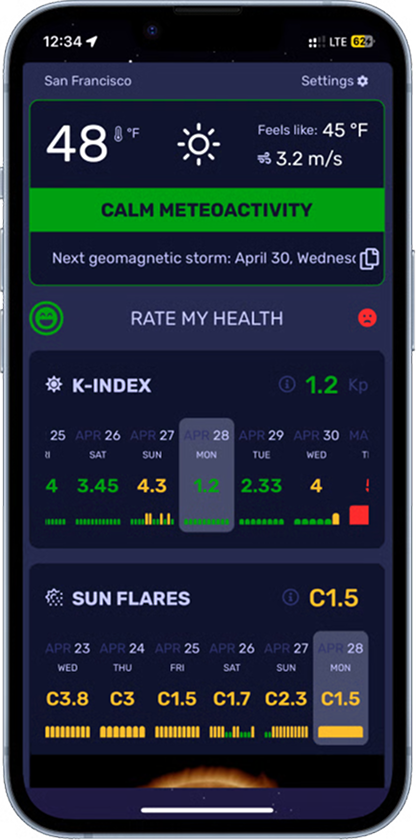
Önemli barometrik basınç değişikliklerini önceden tahmin etmek için hava tahminlerini takip edin. Bu, semptomlar başlamadan önce önleyici tedbirler almanızı sağlar.
Özellikle hava değişikliklerinin yaygın olduğu mevsimlerde su, bozulmayan yiyecekler ve ilk yardım malzemeleri dahil temel malzemeleri hazır bulundurun. Hazırlıklı olmak, semptomlar ortaya çıktığında onları yönetmenize yardımcı olur.
Stres Yönetimi
Stres, baş ağrısı semptomlarını yoğunlaştırarak yönetilmelerini zorlaştırabilir.
Çeşitli gevşeme teknikleri hem stresi hem de baş ağrısı şiddetini azaltmaya yardımcı olabilir.
Meditasyon zihni sakinleştirmeye ve iç huzur yaratmaya yardımcı olurken, derin nefes egzersizleri vücudunuzun strese tepkisini düzenler ve baş ağrısı yoğunluğunu azaltır.
Yoga, fiziksel aktiviteyi meditasyon ve nefesle birleştirerek stresi ve baş ağrısı semptomlarını yönetmek için mükemmel bir yoldur. Bu tekniklerin düzenli uygulanması genel refahınızı iyileştirebilir.
Tetikleyici Faktörleri Sınırlayın
Belirli yiyecekler veya güçlü kokular gibi kişisel baş ağrısı tetikleyicilerini belirleyin ve bunlara maruz kalmayı en aza indirin.
Baş ağrılarınızın zamanlamasını, süresini, şiddetini ve eşlik eden semptomlarını takip etmek için bir baş ağrısı günlüğü tutun.
Bu izleme, aksi takdirde gözden kaçırabileceğiniz desenleri ve tetikleyicileri ortaya çıkarmaya yardımcı olur. İyi uyku alışkanlıkları edinin ve susuz kalmayın—her ikisi de baş ağrısı yönetiminde çok önemli faktörlerdir.
Günlük rutininize stres azaltıcı aktiviteler eklemeyi düşünün, çünkü stres genellikle baş ağrılarını tetikler.
Ağrı Kesici
Baş ağrıları iş ve özel hayatınızı bozabilir, ancak birkaç rahatlama seçeneği mevcuttur. Asetaminofen, ibuprofen veya aspirin gibi reçetesiz ağrı kesiciler baş ağrısı atakları sırasında yardımcı olabilir.
Daha şiddetli vakalar için doktorlar triptanlar veya ergotaminler gibi ilaçlar yazabilir.
Uçucu yağlar, meditasyon ve akupunktur dahil doğal ilaçlar da rahatlama sağlayabilir. Özel ihtiyaçlarınız için en etkili tedavi planını bulmak üzere bir sağlık uzmanına danışın.
Rahatlatıcı Bir Ortam Oluşturun
Baş ağrısı sırasında, alanınızdaki ışıkları kısarak görsel tetikleyicileri azaltın.
Semptomlarınızı kötüleştirebilecek işitsel uyarımı azaltmak için gürültü seviyelerini en aza indirin.
Dinlenip iyileşebileceğiniz sessiz, rahat bir oda bulun. Sakin bir ortam yaratmak, baş ağrınız geçerken dış tetikleyicileri azaltmaya yardımcı olur.
Profesyonel Rehberlik Alın
Barometrik basınç baş ağrıları günlük yaşamınızı etkiliyorsa, bir sağlık uzmanına danışın. Size semptomlarınızı yönetmek ve yaşam kalitenizi artırmak için kişiselleştirilmiş tavsiyeler ve tedavi seçenekleri sunabilirler.
Sağlık uzmanınız, bu baş ağrılarını daha iyi yönetmek için tetikleyicilerden kaçınma ve düzenli egzersiz dahil yaşam tarzı değişiklikleri önerebilir. Uygun değerlendirme ve tedavi için tıbbi yardım almaktan çekinmeyin.
Sonuç
Barometrik basınç baş ağrıları, hava durumuna duyarlı bireylerin günlük yaşamlarını önemli ölçüde etkiler ve her hava deseni değişikliğinde refahlarını zorlar.
Bu baş ağrıları, atmosfer basıncı değişiklikleri ile vücudun fizyolojik tepkileri arasındaki karmaşık ilişkiden kaynaklanır.
Uygun hidrasyon, etkili stres yönetimi ve dikkatli hava durumu izleme yoluyla insanlar bu baş ağrılarının etkisini daha iyi kontrol edebilir. Kalıcı veya kötüleşen semptomlar yaşayanlar için, doğru teşhis ve tedavi için profesyonel tıbbi rehberlik almak çok önemlidir.
Barometrik basınç baş ağrısı nedir?
Barometrik basınç baş ağrısı, atmosfer basıncındaki değişikliklerin hassas bireylerde bir dizi fizyolojik tepkiyi tetiklemesiyle ortaya çıkan hava durumuyla ilgili bir baş ağrısı türüdür.
Barometrik basınç düşüşleri baş ağrılarını nasıl tetikler?
Araştırmalar, barometrik basınçtaki ani düşüşlerin özellikle sorunlu olduğunu, kan damarlarının genişlemesine ve çevredeki sinirler ile dokulara baskı yapmasına neden olduğunu, bunun da iltihaplanmayı tetikleyerek baş ağrısına yol açabileceğini göstermektedir; nem ve sıcaklık dalgalanmaları da katkıda bulunabilir.
Barometrik basınç değişikliklerinin baş ağrıları dışında hangi fizyolojik etkileri olabilir?
Bu fizyolojik tepkiler bireyler arasında farklılık göstermekle birlikte genellikle baş ağrıları, eklem ağrısı, yorgunluk ve ruh hali değişikliklerini içerir; bazı durumlarda barometrik basınç değişiklikleri migren veya astım atakları gibi daha şiddetli reaksiyonları tetikleyebilir.
Barometrik basınç baş ağrısının ana belirtileri nelerdir?
Yaygın belirtiler arasında başın bir veya her iki tarafında zonklama veya nabız gibi atan ağrı, ışığa ve sese duyarlılık, titreşen ışıklar veya zikzak çizgiler gibi görsel auralar, mide bulantısı ve kusma, yorgunluk, konsantre olma zorluğu, boyun ve omuz rahatsızlığı ile tıkanıklığa bağlı sinüs basıncı bulunur.
Barometrik basınç baş ağrıları genellikle ne kadar sürer?
Bu baş ağrıları birkaç saatten birkaç güne kadar sürebilir ve genellikle hava koşulları istikrara kavuştuğunda düzelir.
Barometrik basınç baş ağrıları öngörülebilir kalıplar izler mi?
Evet, bu baş ağrılarını yaşayan kişiler genellikle bunların yaklaşan fırtınalar veya basınç değişiklikleri gibi belirli hava olaylarına karşılık gelen öngörülebilir kalıplarda ortaya çıktığını fark eder ve hızlı hava değişiklikleri sırasında kötüleşme veya ortaya çıkma eğilimindedir.
Su tüketimi barometrik basınç baş ağrılarını önlemeye yardımcı olur mu?
Evet. Dehidrasyon baş ağrılarını kötüleştirir, bu nedenle gün boyunca bol su içmek sabit kan akışını korumaya yardımcı olur ve meyve ve sebze gibi su açısından zengin yiyecekleri dahil ederken alkol ve kahve gibi susuz bırakan içeceklerden kaçınmak önlemeyi destekleyebilir.
Stres barometrik basınç baş ağrılarını kötüleştirebilir mi?
Evet, stres baş ağrısı semptomlarını yoğunlaştırabilir ve yönetmeyi zorlaştırabilir, ancak meditasyon, derin nefes egzersizleri ve yoga gibi gevşeme teknikleri hem stresi hem de baş ağrısı şiddetini azaltmaya yardımcı olabilir.
Barometrik basınç baş ağrısı başladığında bunu yönetmek için ne yapabilirim?
Seçenekler arasında asetaminofen, ibuprofen veya aspirin gibi reçetesiz ağrı kesiciler almak, loş ışıklı ve minimum gürültülü sakinleştirici bir ortamda dinlenmek ve esansiyel yağlar, meditasyon veya akupunktur gibi doğal ilaçları denemek yer alır; şiddetli vakalarda doktor triptanlar veya ergotaminler gibi ilaçlar reçete edebilir.
Baş ağrısı günlüğü tutmak barometrik basınç tetikleyicilerini belirlemeye yardımcı olur mu?
Evet, baş ağrılarının zamanlamasını, süresini, şiddetini ve eşlik eden semptomlarını takip etmek için bir baş ağrısı günlüğü tutmak, iyi uyku alışkanlıklarını sürdürmek ve susuz kalmamakla birlikte, aksi halde fark edilmeyecek kalıpları ve tetikleyicileri ortaya çıkarabilir.





/w=1920,quality=90,fit=scale-down)