Laika apstākļu izraisītas galvassāpes: kā lietus un atmosfēras spiediens ietekmē veselību
Laikapstākļu izraisītas galvassāpes bieži skar pat fiziski veselus cilvēkus, un tās ir visbiežākā sūdzība starp laikapstākļiem jutīgām personām.
Ja Jums ir galvassāpes bez acīmredzama iemesla, apsveriet laikapstākļus—tie var būt vaininieks. Precīzāk, galvassāpes izraisa nevis pats laiks, bet gan laikapstākļu izmaiņas.
Kā mūsu organisms tiek galā ar laikapstākļu izmaiņām?
Vai mēs varam apmācīt savu ķermeni būt mazāk jutīgam pret laikapstākļu svārstībām?
Kāpēc šīs izmaiņas mūs tik ļoti ietekmē?
Izpētīsim šos izaicinošos jautājumus.
Šajā rakstā sniegtā informācija neaizstāj profesionālu medicīnisku padomu! Ja pamanāt, ka jūsu organisms reaģē uz laikapstākļu izmaiņām, konsultējieties ar kvalificētu medicīnas speciālistu.
Viens no septiņiem pieaugušajiem visā pasaulē piedzīvo migrēnas. Lai gan precīzie cēloņi joprojām nav zināmi, pētnieki norāda, ka šīs galvassāpes var būt saistītas ar iedzimtām nervu šūnu struktūrām. Daudzi pacienti ir stingri pārliecināti, ka viņu galvassāpes izraisa tikai laikapstākļu izmaiņas.
Vācu zinātnieki apstiprināja šo pārliecību 2010. gada pētījumā. Viņi gadu novēroja 20 migrēnas slimniekus Berlīnē, salīdzinot viņu galvassāpju modeļus ar vietējiem laikapstākļiem. Seši dalībnieki—apmēram trešdaļa—ziņoja par intensīvākām sāpēm aukstās, mitrās dienās.
Līdzīgā pētījumā japāņu pētnieki atklāja, ka visiem 34 dalībniekiem ar hronisku migrēnu bija smagas galvassāpes pat pie nelieliem atmosfēras spiediena kritumiem.
Kanādas pētījumā ar divdesmit migrēnas pacientiem tika iegūti pretēji rezultāti—dalībnieki ziņoja par galvassāpēm augsta atmosfēras spiediena periodos.
Taivānas eksperti atklāja saikni starp aukstu laiku un migrēnām, analizējot 66 pacientu ierakstus. Puse dalībnieku piedzīvoja biežākas galvassāpes ziemā, salīdzinot ar vasaru.
Amerikāņu pētnieki tomēr atklāja, ka migrēnas lēkmes notiek biežāk siltos, mitros apstākļos.
Kas ir laikapstākļu izraisītas galvassāpes?
Laikapstākļu izraisītas galvassāpes ir viens no visbiežāk sastopamajiem simptomiem, kas var norādīt uz dažādiem medicīniskiem stāvokļiem. Tās rodas, kad organisms cenšas pielāgoties mainīgajiem laikapstākļiem, izraisot sāpes un diskomfortu kaklā un galvā.
Laikapstākļu izraisītas galvassāpes visbiežāk sastopamas šajās riska grupās:
Vecuma faktors. Lai gan jutīgums pret laikapstākļiem var skart visu vecumu cilvēkus, tostarp zīdaiņus un jauniešus, visnopietnākie simptomi ir gados vecākiem cilvēkiem. Daži vecāki cilvēki pat var sajust laikapstākļu izmaiņas vairākas stundas vai dienas pirms tās notiek.
Dzimuma faktors. Sievietes mēdz būt jutīgākas pret ārējiem stimuliem, tostarp laikapstākļu izmaiņām. Tas padara viņas vairāk pakļautas laikapstākļu izraisītām galvassāpēm nekā vīriešus. Zinātnieki uzskata, ka hormonālās atšķirības var izskaidrot šo modeli.
Imūnās sistēmas darbība. Lai gan pētījumi joprojām turpinās, ārsti ir novērojuši, ka cilvēki ar novājinātu imūnsistēmu uzrāda paaugstinātu jutīgumu pret laikapstākļu izmaiņām.
Esošie hroniskie stāvokļi. Cilvēki ar vairākiem ilgtermiņa veselības traucējumiem bieži vien grūtāk pielāgojas mainīgajiem vides apstākļiem. Viņu organisms nespēj pietiekami ātri pielāgoties, izraisot dažādus meteoropātijas simptomus.
Medicīniskie stāvokļi, kas var izraisīt laikapstākļu izraisītas galvassāpes:
Sirds un asinsvadu stāvokļi ir īpaši jutīgi pret laikapstākļu izmaiņām. Pēkšņas laika izmaiņas var izraisīt smagu vazospazmu, potenciāli izraisot hipertensīvu krīzi, miokarda infarktu vai išēmisku insultu.
Galvassāpes, ko izraisa atmosfēras spiediena izmaiņas
Kad atmosfēras spiediens pēkšņi mainās, tas ietekmē skābekļa līmeni asinīs. Reaģējot uz to, asinsvadi galvā vai nu paplašinās, vai saraujas.
Lietus laikā atmosfēras spiediens pazeminās. Cilvēkiem ar asinsvadu problēmām ir grūtāk pielāgoties šīm izmaiņām. Rezultātā asinis uzkrājas smadzeņu vēnās, izraisot ar laikapstākļiem saistītas galvassāpes.
Baroreceptori mūsu deguna blakusdobumos arī reaģē uz atmosfēras spiedienu. Kad ārējais spiediens pazeminās, tas rada nelīdzsvarotību starp gaisu ārpusē un iekšpusē. Tas var izraisīt sāpes, īpaši cilvēkiem ar noteiktiem medicīniskiem stāvokļiem vai noslieci.
Pat nelielas atmosfēras spiediena izmaiņas var izraisīt galvassāpes, īpaši migrēnas slimniekiem.
2015. gada pētījums rāda, ka pat nelieli atmosfēras spiediena kritumi var ietekmēt cilvēkus ar hronisku migrēnu.
Vēl viens pētījums Japānā sniedza līdzīgus secinājumus. Pētnieki gadu novēroja 28 migrēnas slimniekus un atklāja, ka migrēnas biežums samazinājās, kad atmosfēras spiediens paaugstinājās par 5 hPa vai vairāk salīdzinājumā ar iepriekšējo dienu.
Galvassāpes pirms lietus un auksta laika
Galvassāpes bieži rodas, kad ir ievērojamas temperatūras izmaiņas. Šīs laikapstākļu svārstības var izjaukt serotonīna līmeni—smadzeņu ķīmisko vielu, kas palīdz regulēt sāpes—padarot cilvēkus jutīgākus pret galvassāpēm.
Lai gan temperatūras izmaiņas ir galvenais izraisītājs, stress, dehidratācija un miega trūkums var arī veicināt šīs galvassāpes.
Šo faktoru pārvaldīšana, izmantojot pareizu mitrināšanu, pietiekamu miegu un stresa samazināšanas metodes, piemēram, meditāciju vai vingrinājumus, var palīdzēt samazināt galvassāpju biežumu.
Bezrecepšu pretsāpju līdzekļi var sniegt atvieglojumu, kad galvassāpes rodas. Visaptveroša pieeja galvassāpju pārvaldībai var palīdzēt samazināt gan biežumu, gan smagumu, uzlabojot dzīves kvalitāti.
Lietus galvassāpes ir īpašs ar laikapstākļiem saistītu galvassāpju veids, kas svārstās no vieglām līdz smagām un var ilgt stundas vai dienas.
Biežākie simptomi ir pulsējošas sāpes, spiediens pierē un deniņos, kā arī paaugstināta jutība pret gaismu un skaņu.
Daži cietēji izjūt arī sliktu dūšu vai reiboni. Lai gan lietus galvassāpes nevar izārstēt, tās var efektīvi pārvaldīt.
Galvenās pārvaldības stratēģijas ietver pietiekamu mitrināšanu, atpūtu, izvairīšanos no izraisītājiem, piemēram, kofeīna un alkohola, un atbilstošu bezrecepšu pretsāpju līdzekļu lietošanu. Konsultējieties ar veselības aprūpes speciālistu, ja šīs galvassāpes rodas bieži vai tām pievienojas citi simptomi.
Mākoņainā vai lietainā laikā samazināta ultravioletās gaismas iedarbība var noslogot ķermeņa dabiskās funkcijas, izraisot ātrāku enerģijas izsīkumu. Tas ir īpaši aktuāli pilsētniekiem—ja cilvēki šādā laikā uztur intensīvu darba grafiku, tas var izjaukt viņu dabiskos bioritmus un izraisīt galvassāpes.
Papildu ar laikapstākļiem saistītu galvassāpju izraisītāji:
Cilvēki, kuri cieš no šīs veselības problēmas, piedzīvo dažādas meteoropātijas pakāpes. Vieglos gadījumos var būt galvassāpes, miegainība, neorganizētība, izklaidība un drebuļi. Smagākos gadījumos var būt migrēnas lēkmes, locītavu un sirds sāpes, kā arī asi asinsspiediena svārstības.
Meteoropātijas simptomi bieži pasliktinās līdz ar vecumu, jo samazinās ķermeņa kompensācijas un aizsardzības spējas. Hroniskas slimības var vēl vairāk samazināt ķermeņa spēju pielāgoties laikapstākļu izmaiņām, izraisot lielākas ar laikapstākļiem saistītas sāpes.
Laikapstākļu izraisītu galvassāpju simptomi
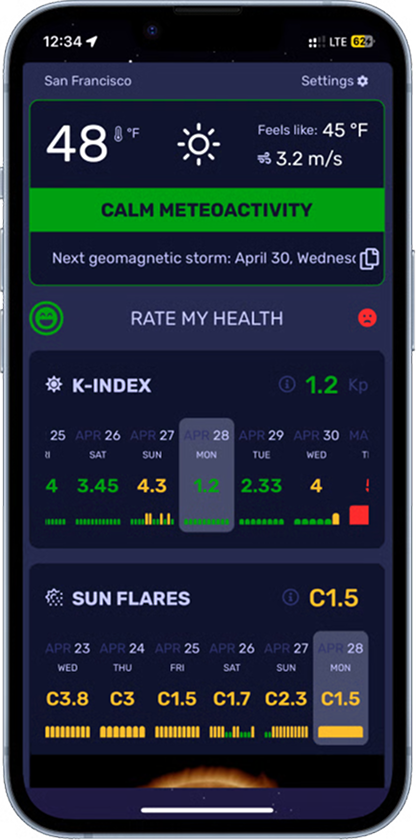
Ar laikapstākļiem saistītas galvassāpes parasti rodas pēc laikapstākļu izmaiņām (izņemot saules uzliesmojumus).
Šīs galvassāpes pēc smaguma pakāpes iedalās trīs posmos:
Vieglas - jūtamas sāpes bez būtiska diskomforta
Vidējas - sāpes, kas rada ievērojamu diskomfortu
Smagas - intensīvas sāpes, kas traucē ikdienas aktivitātēm
Laikapstākļu izraisītas galvassāpes izpaužas kā asas sāpes deniņos vai pakaušā.
Lai gan tās ir līdzīgas tipiskām galvassāpēm vai migrēnām, tām bieži ir šādi papildu simptomi:
slikta dūša un vemšana
paaugstināta jutība pret gaismu
miegainība un apātija
reibonis
sejas un kakla nejutīgums
troksnis ausīs, troksnis galvā un redzes traucējumi
sāpes vienā vai abos deniņos
Laikapstākļu izraisītu galvassāpju mazināšana
Lai samazinātu vai novērstu galvassāpju smagumu, ievērojiet šos vienkāršos ieteikumus.
Pirmkārt, novērsiet šos galvenos faktorus, kas veicina sāpes:
jebkādi pamata medicīniskie stāvokļi
izraisošie pārtikas produkti, piemēram, kafija un sarkanvīns
miega trūkums
nepietiekama fiziskā aktivitāte
stress un spriedze
Pēc šo veicinošo faktoru samazināšanas varat izpētīt papildu atvieglojuma metodes.
Ja Jums ir jebkāda veida galvassāpes, nekavējoties konsultējieties ar ārstu—sāpes var liecināt par nopietnāku stāvokli
1. Medikamentu lietošana
Sedatīvi līdzekļi un pretsāpju līdzekļi var mazināt ar laikapstākļiem saistītas galvassāpes, bet atcerieties: nekad nelietojiet zāles pārmērīgi bez ārsta uzraudzības.
Visi galvassāpju medikamenti jāparaksta ārstam!
2. Sāpju punktu masāža
Laikapstākļu izraisītas galvassāpes bieži rodas no asins uzkrāšanās kakla rajonā un stīviem, saspringtiem muskuļiem. Masējot pakauša, deniņu un pieres apvidus, kā arī kakla muskuļus, var palīdzēt mazināt šīs galvassāpes.
Lūk, vienkārša tehnika: Viegli pagrieziet galvu uz augšu un uz leju, tad no vienas puses uz otru, un visbeidzot veiciet apļveida kustības.
Pēc katras kustības nedaudz izstiepiet kaklu un noturiet pozīciju 10 sekundes. Atpūtieties piecas sekundes pirms pārejiet pie nākamās pozīcijas.
3. Kontrastdušas
Kontrastdušas efektīvi mazina esošās galvassāpes.
To var izmēģināt arī prom no mājām. Tā kā plaukstu locītavās ir daudz nervu receptoru, mainot karstu un aukstu ūdeni uz tām, var palīdzēt mazināt sāpes. Vienkārši iegremdējiet plaukstas locītavas karstā un aukstā ūdenī pārmaiņus uz divām sekundēm. Viena minūte šādas procedūras bieži sniedz atvieglojumu.
Ar laikapstākļiem saistītu galvassāpju profilakse
Ārsti stingri iesaka neplānot nozīmīgas aktivitātes laikapstākļu nestabilitātes periodos. Tā vietā koncentrējieties uz papildu atpūtu, pietiekamu miegu, pareizu mitrināšanu un stresa mazināšanu. Tas palīdz novērst papildu slodzi jūsu ķermenim, kamēr tas pielāgojas laikapstākļu izmaiņām.
Šajos pret laikapstākļiem jutīgajos periodos ir svarīgi piesātināt organismu ar skābekli. Dodieties 10-15 minūšu pastaigā svaigā gaisā neatkarīgi no laikapstākļiem. Ja aktivitātes brīvā dabā nav iespējamas, nodrošiniet atbilstošu ventilāciju savā dzīves telpā.
Kad atmosfēras spiediens ievērojami svārstās, pret laikapstākļiem jutīgām personām jāpalielina ūdens uzņemšana līdz vismaz 5,7 litriem dienā.
Lietojiet pretsāpju līdzekli, piemēram, ibuprofēnu, acetaminofēnu vai aspirīnu.
Dzeriet daudz ūdens.
Uzlieciet aukstu vai siltu kompresi uz pieres, deniņiem vai pakauša.
Izmēģiniet relaksācijas metodes, piemēram, dziļu elpošanu, pakāpenisku muskuļu relaksāciju vai vadītu iztēli.
Atpūtieties.
Izvairieties no kofeīna un alkohola.
Masējiet galvu un kaklu.
Izmēģiniet ēteriskās eļļas, piemēram, lavandas vai piparmētru.
Izvairieties no spilgtām gaismām un skaļiem trokšņiem.
Vingrojiet regulāri.
Skriešana, ātra staigāšana, peldēšana 2-3 reizes nedēļā
Intensīvas fiziskās aktivitātes laikā palielinās sirdsdarbība un asins plūsma. Asinsvadi paplašinās, lai nodrošinātu normālu asinsriti. Pēc vingrinājumiem asins plūsma samazinās un asinsvadi sašaurinās, efektīvi trenējot gan asinsvadus, gan muskuļus.
Galvassāpju dienasgrāmatas kārtošana
Tas ir jūsu pirmais svarīgais solis. Reģistrējiet katra lēkmes laiku, ilgumu un iespējamos izraisītājus. Tas palīdz noskaidrot, vai pastāv patiesa korelācija ar laikapstākļu izmaiņām, vai arī ir iesaistīti citi faktori.
Sekojiet līdzi laikapstākļu izmaiņām un, ja iespējams, izvairieties no zināmiem izraisītājiem. Piemēram, ja auksti un vējaini apstākļi jūs ietekmē negatīvi, uzturieties iekštelpās šajā laikā.
Kas ir laikapstākļu galvassāpes?
Laikapstākļu galvassāpes ir viens no biežākajiem simptomiem, kas var liecināt par dažādiem medicīniskiem stāvokļiem — tās rodas, kad organisms nespēj pielāgoties mainīgiem laikapstākļiem, radot sāpes un diskomfortu kaklā un galvā.
Kuriem cilvēkiem ir vislielākais risks saslimt ar laikapstākļu izraisītām galvassāpēm?
Riska grupās ietilpst gados vecāki cilvēki, kuriem bieži ir vissmagākie simptomi un kuri dažkārt var sajust laikapstākļu izmaiņas stundām vai pat dienām iepriekš; sievietes, kuras hormonālo atšķirību dēļ mēdz būt jutīgākas pret ārējiem stimuliem; cilvēki ar novājinātu imūnsistēmu; un tie, kuriem jau ir hroniskas slimības.
Vai atmosfēras spiediens tiešām izraisa galvassāpes?
Jā. Kad atmosfēras spiediens strauji mainās, tas ietekmē skābekļa līmeni asinīs, liekot galvas asinsvadiem paplašināties vai sašaurināties, un baroreceptori deguna blakusdobumos reaģē uz spiediena kritumiem, radot nelīdzsvarotību, kas var izraisīt sāpes — pat nelieli spiediena kritumi var ietekmēt cilvēkus ar hroniskām migrēnām.
Kāpēc galvassāpes rodas pirms lietus un auksta laika?
Galvassāpes bieži rodas ar ievērojamām temperatūras izmaiņām, jo šīs laikapstākļu pārmaiņas var traucēt serotonīna līmeni — smadzeņu ķīmisko vielu, kas palīdz regulēt sāpes, padarot cilvēkus jutīgākus pret galvassāpēm, kopā ar tādiem veicinošiem faktoriem kā stress, dehidratācija un miega trūkums.
Kādi citi laikapstākļu faktori, papildus spiedienam un temperatūrai, var izraisīt galvassāpes?
Papildu izraisītāji ir saules uzliesmojumi, augsts mitrums, sauss gaiss, ekstremālas temperatūras, spēcīga saules gaisma, vētrains laiks, liels augstums, skābekļa līmeņa izmaiņas un dūmi.
Kādi ir laikapstākļu galvassāpju simptomi?
Laikapstākļu galvassāpes izpaužas kā asas sāpes deniņos vai pakaušā, un tās var pavadīt slikta dūša un vemšana, paaugstināta jutība pret gaismu, miegainība un apātija, reibonis, sejas un kakla notirpums, troksnis ausīs, troksnis galvā un redzes traucējumi.
Kādas ir laikapstākļu galvassāpju smaguma pakāpes?
Laikapstākļu galvassāpes iedala trīs posmos: vieglas — ar jūtamām sāpēm, bet bez būtiska diskomforta; vidējas — ar sāpēm, kas rada jūtamu diskomfortu; un smagas — ar intensīvām sāpēm, kas traucē ikdienas aktivitātēm.
Kā ātri mazināt laikapstākļu galvassāpes?
Atvieglošanas metodes ietver ārsta nozīmētu medikamentu lietošanu, pakauša, deniņu un pieres apvidus, kā arī kakla muskuļu masāžu, un kontrastdušu vai karsta un auksta ūdens maiņu uz plaukstu locītavām apmēram divas sekundes katru, jo plaukstu locītavās ir daudz nervu receptoru.
Kā novērst laikapstākļu izraisītas galvassāpes?
Profilakse ietver izvairīšanos no lielām aktivitātēm laikapstākļu nestabilitātes laikā, papildu atpūtu un pietiekamu miegu, pareizu hidratāciju (palielinot ūdens uzņemšanu līdz vismaz pusotram litram dienā ievērojamu spiediena svārstību laikā), īsas pastaigas svaigā gaisā, stresa mazināšanu, kofeīna un alkohola izvairīšanos, un regulāras fiziskās aktivitātes, piemēram, skriešanu, ātru iešanu vai peldēšanu 2-3 reizes nedēļā.
Vai galvassāpju dienasgrāmatas kāršana patiešām palīdz pret laikapstākļu galvassāpēm?
Jā — galvassāpju dienasgrāmatas kārtošana, kurā reģistrē katra lēkmes laiku, ilgumu un iespējamos izraisītājus, ir būtisks pirmais solis, jo tas palīdz noskaidrot, vai patiešām pastāv saistība ar laikapstākļu izmaiņām, vai arī ir iesaistīti citi faktori.