

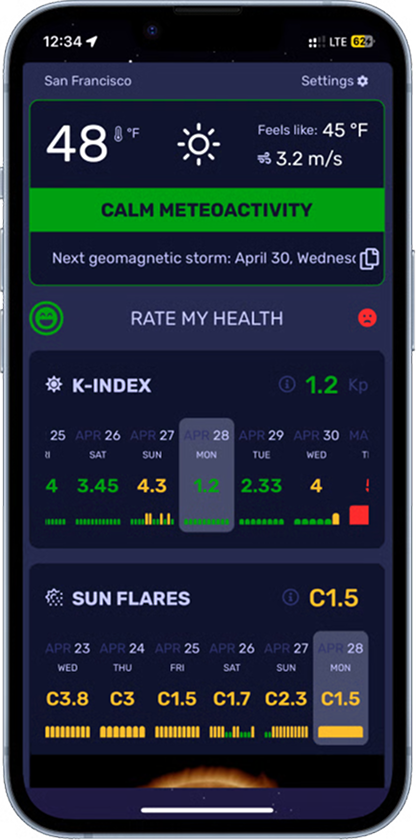


폭풍 불안
Everyone gets a little tense when the sky turns dark and thunder starts rolling in. That's just a normal, useful response to something loud and unpredictable. For some people, though, that tension doesn't pass once the storm does. It shows up days before, in obsessive weather-checking, and lingers well after the clouds clear. That's storm anxiety, and in its more intense form, it has a clinical name: astraphobia.
What Storm Anxiety Actually Is
Astraphobia (sometimes called brontophobia) is a specific phobia centered on thunder and lightning, recognized in clinical diagnostic systems. What separates it from ordinary storm jitters is intensity and persistence: real distress that's disproportionate to the actual danger, obsessive checking of weather reports, panic-like physical symptoms during a storm, and, critically, a pattern that doesn't fade with time. In children specifically, clinicians generally don't treat a fear of storms as a true phobia unless it persists for more than six months, since passing fears are a normal part of childhood development.
How Common It Is
Specific phobias affect roughly 2-3% of the general population, and astraphobia is one of the more common ones, particularly among children and adolescents. One survey found close to 10% of children report severe fear of thunderstorms, often serious enough to disrupt sleep or stop them from going outside during storm season. It's more common in kids partly because children haven't yet developed the same cognitive tools adults use to manage uncertainty and unpredictability.
Who's More Likely to Experience It
A few patterns show up consistently. Family history matters: children with a parent or sibling who has anxiety, depression, or a phobia are more likely to develop one themselves, and having a family member who's specifically afraid of storms raises that risk further. Sensory sensitivity plays a role too. Kids with ADHD or autism spectrum disorder often have heightened responses to loud noise, bright flashes, and sudden temperature or pressure changes, all of which a thunderstorm delivers at once. In adults, past experience with severe weather, such as living through a major storm, tornado, or hurricane, is a well-documented risk factor. That makes sense: this isn't an irrational fear appearing from nowhere so much as a learned, if now disproportionate, response to something that was genuinely dangerous once.
The Reassurance Trap
One of the more counterintuitive findings in this area concerns how parents (and adults comforting themselves) typically try to help. Saying "I promise you're safe" over and over feels like the natural, caring response, but repeated reassurance tends to function similarly to a compulsion: it lowers distress for a moment while reinforcing the underlying belief that the storm can't be tolerated without that outside reassurance. It's a well-intentioned habit that can end up keeping the anxiety cycle going rather than breaking it.
What Actually Helps
The most effective treatment is a form of gradual, structured exposure, the same general approach used for other specific phobias. It often starts small: simply talking about storms, reading stories or watching videos of storms from a safe distance, and building up toward being near a window during an actual storm, or eventually outside in the rain under safe conditions. Studies on cognitive behavioral therapy for storm-related phobias report response rates in the 70-90% range, with many people experiencing a substantial reduction in anxiety.
A practical piece of this that therapists often use: making a concrete plan for what to do during a storm, including where to go, what to bring, and what steps happen in what order, then rehearsing it in advance. Since a therapist can't summon a thunderstorm on demand for a session, this kind of rehearsal gives a sense of preparedness and control that helps close the gap between sessions and real storms.
When It's More Than a Phase
If a child's fear persists well beyond six months, escalates rather than fades, or starts disrupting sleep, school, or family life for weeks at a stretch, it's reasonable to involve a therapist or counselor rather than waiting it out. The same goes for adults: if storm anxiety is affecting daily functioning, relationships, or sleep through an entire season, professional support is an effective option, not an overreaction. Left untreated, it can contribute to broader anxiety, social isolation, or mood difficulties over time.
Fear of Storms vs. Reasonable Caution
This is different from ordinary, appropriate concern about severe weather. Taking a tornado warning seriously, sheltering during a genuine severe thunderstorm, or feeling uneasy about a hurricane forecast headed your way isn't a phobia. It's a proportionate response to real risk. Astraphobia specifically describes fear that's disproportionate to the actual danger and persists regardless of how severe (or mild) the actual weather turns out to be.
폭풍 불안을 임상적으로 뭐라고 부르나요?
임상 용어는 아스트라포비아(astraphobia)이며, 브론토포비아(brontophobia)라고도 합니다. 천둥과 번개를 중심으로 한 특정 공포증으로, 실제 위험에 비해 과도한 두려움, 강박적인 날씨 확인, 폭풍 중 신체적 공황 유사 증상이 특징입니다.
폭풍에 대한 두려움은 얼마나 흔한가요?
특정 공포증은 일반 인구의 약 2-3%에 영향을 미치며, 아스트라포비아는 특히 어린이에게서 더 흔한 편입니다. 한 조사에 따르면 어린이의 약 10%가 천둥번개를 동반한 폭풍에 대한 심한 두려움을 보고합니다.
아이들은 왜 어른들보다 폭풍을 더 두려워하나요?
아이들은 어른들이 불확실성을 관리할 때 사용하는 인지적 도구를 아직 발달시키지 못했으며, ADHD나 자폐 스펙트럼 장애 같은 상태는 폭풍이 가져오는 큰 소음, 밝은 번쩍임, 갑작스러운 기압 변화에 대한 민감성을 높일 수 있습니다.
폭풍이 치는 동안 “당신은 안전해요”라고 말하는 것이 불안에 도움이 되나요?
느껴지는 것만큼 효과적이지는 않습니다. 반복적인 안심 시키기는 강박 행동처럼 작용하는 경향이 있습니다. 즉, 불안을 잠시 낮추지만, 근본적인 불안을 줄이는 대신 외부의 안심 없이는 폭풍을 견딜 수 없다는 믿음을 강화합니다.
폭풍에 대한 두려움에는 어떤 치료가 효과적인가요?
점진적이고 구조화된 노출이 가장 효과적인 방법입니다. 안전한 거리에서 폭풍에 대해 이야기하거나 지켜보는 것에서 시작해 실제 폭풍을 견디는 방향으로 나아갑니다. 연구에 따르면 이 유형의 공포증에 대한 인지행동치료의 긍정적 반응률은 70-90%입니다.
폭풍 불안은 언제 전문가의 치료를 받아야 하나요?
아이의 두려움이 6개월 이상 지속되거나 수면, 학교생활, 가족 생활을 방해하거나, 성인의 폭풍 불안이 계절 내내 일상 기능에 영향을 미친다면 스스로 해결되기를 기다리기보다 치료사를 찾는 것이 합리적입니다.
폭풍을 두려워하는 것과 악천후를 진지하게 받아들이는 것은 같은 것인가요?
아닙니다. 실제 토네이도나 심한 폭풍 경보가 있을 때 대피하는 것은 실제 위험에 대한 비례적인 반응입니다. 아스트라포비아는 구체적으로 실제 위험에 비해 과도하고 실제 날씨가 얼마나 심각한지와 관계없이 지속되는 두려움을 말합니다.
사전에 일기예보를 알면 폭풍 불안을 줄일 수 있나요?
더 넓은 접근법의 한 부분으로서 도움이 될 수 있습니다. 폭풍과 관련된 괴로움의 상당 부분은 매 순간의 불확실성에서 오며, 사전 정보와 구체적인 계획을 갖는 것은 치료사들이 사람들이 폭풍에 단순히 반응하기보다 대비하도록 도울 때 사용하는 것과 같은 원리입니다.