



Mevsimsel Duygulanım Bozukluğu
Some people notice it before the calendar does — a heaviness that shows up as the days get shorter, months before anyone says the word "winter" out loud. For most people that's just a mood dip. For a smaller group, it's something more specific and more treatable than "the winter blues" suggests: seasonal affective disorder, a real, recognized form of depression tied directly to the time of year.
What SAD Actually Is
Seasonal affective disorder (SAD) is a pattern of recurrent depressive episodes that show up at the same time each year — most commonly starting in autumn and lifting by spring — with full remission the rest of the year. It's formally diagnosed only when this pattern has repeated for at least two consecutive years in the same season, which distinguishes it from an ordinary rough patch that happens to fall in winter.
Its symptoms overlap with depression generally (low mood, loss of interest, difficulty concentrating) but often show a distinctive winter-specific pattern that's almost the opposite of what people picture when they think "depression": oversleeping rather than insomnia, carbohydrate cravings and weight gain rather than appetite loss, and a heavy, low-energy fatigue rather than restless agitation.
How Common It Is
Estimates vary depending on how strictly it's defined and measured, but SAD's prevalence consistently tracks with latitude: as low as around 1.5% in sunny southern regions, rising toward 9-10% in far-northern areas like New Hampshire or Alaska, with some clinical estimates for high-latitude countries reaching even higher when milder, subclinical "winter blues" are included alongside full diagnostic criteria. Risk factors identified across studies include a family history of the condition, being female, living further from the equator, and — somewhat unexpectedly — younger adulthood, with onset most common between ages 18 and 30.
Why Light Is the Central Clue
The leading explanation is built around one variable that changes predictably every winter regardless of temperature: daylight. Reduced light exposure is believed to disrupt the circadian rhythm covered elsewhere in this wiki, throwing the body's internal clock out of sync with the actual timing of day and night — the "phase-shift hypothesis," currently the leading theory for why SAD develops. Reduced daylight is also linked to shifts in serotonin regulation and to melatonin overproduction, which may help explain the oversleeping and low energy that mark the condition.
A particularly telling piece of evidence comes from research on blindness: one study found a notably higher rate of SAD among people with severe visual impairment than in sighted people, and specifically among those who retained some light perception rather than none at all — pointing to specialized, non-visual light-sensing cells in the retina (distinct from the rods and cones used for actual sight) as part of the mechanism connecting light exposure to mood regulation.
What Actually Helps
Light therapy, daily exposure to a bright artificial light source, typically for a set period in the morning is the best-established, first-line treatment, with a research history stretching back to the 1980s and effectiveness demonstrated against placebo in controlled trials. Cognitive behavioral therapy adapted specifically for SAD and certain antidepressants are also established first-line options, often used alongside light therapy rather than instead of it.
Some commonly suggested add-ons have weaker evidence behind them than people often assume: a major 2020 clinical review noted the evidence for vitamin D supplementation specifically as a SAD treatment remains inconclusive, despite the intuitive link between sunlight and vitamin D. That doesn't rule out a role for vitamin D in general winter wellbeing, covered in more depth in this wiki's own entry on the topic — it just means it isn't yet established as a proven SAD treatment on its own.
How This Differs From General Weather Sensitivity
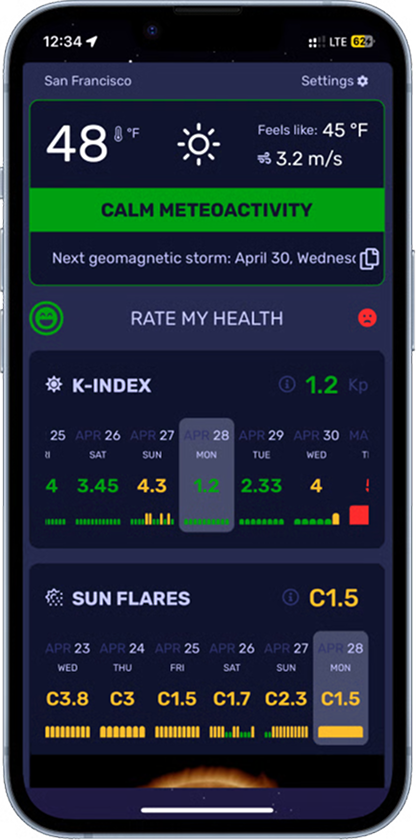
It's worth being clear about the boundary here, since this wiki covers a lot of related but genuinely different territory. SAD is a formally recognized clinical diagnosis with specific criteria, treated by mental health professionals — a different category from the broader, still-developing research on geomagnetic activity, Schumann resonance, or barometric pressure sensitivity covered in this wiki's other entries. If a seasonal low mood pattern is significantly affecting your life, it's worth discussing with a doctor or mental health professional rather than only self-tracking, since effective, well-studied treatment exists specifically for this condition.
Mevsimsel duygulanım bozukluğu nedir?
Mevsimsel duygulanım bozukluğu (SAD), belirli bir mevsime bağlı olarak tekrarlayan depresif atakların görüldüğü bir örüntüdür; en yaygın olarak sonbaharda başlar, ilkbaharda düzelir ve yılın geri kalanında tam remisyon gözlenir. Bu örüntü en az iki ardışık yıl tekrarladığında resmî olarak teşhis edilir.
Mevsimsel duygulanım bozukluğu ne kadar yaygındır?
Görülme sıklığı enleme göre değişir: güneşli güney bölgelerinde yaklaşık %1,5'ten en kuzey bölgelerde %9-10'a kadar uzanır. Risk faktörleri arasında aile öyküsü, kadın olmak, ekvatordan daha uzakta yaşamak ve genç yetişkinlik (18-30 yaş) bulunur.
Mevsimsel duygulanım bozukluğuna ne sebep olur?
Önde gelen teori, azalan gün ışığının sirkadiyen ritmi bozduğu ve vücudun iç saatini gerçek gece-gündüz zamanlamasıyla uyumsuz hale getirdiği yönündedir. Azalan ışık ayrıca serotonin düzenlenmesindeki değişiklikler ve melatonin aşırı üretimi ile de ilişkilendirilmektedir.
SAD normal depresyondan nasıl farklıdır?
SAD, genel depresyona kıyasla genellikle atipik bir örüntü gösterir: uykusuzluk yerine aşırı uyuma, iştah kaybı yerine karbonhidrat isteği ve kilo alımı, huzursuz ajitasyon yerine yoğun yorgunluk ve bunlara ek olarak katı bir mevsimsel tekrarlama örüntüsü görülür.
Işık terapisi SAD için gerçekten işe yarıyor mu?
Evet, en iyi kanıtlanmış birinci basamak tedavidir; 1980'lerden bu yana yapılan kontrollü çalışmalar plaseboya karşı etkinliğini göstermiştir. Genellikle profesyonel tedavinin yerini almak için değil, bilişsel davranışçı terapi veya antidepresanlarla birlikte kullanılır.
D vitamini mevsimsel duygulanım bozukluğuna yardımcı olur mu?
2020'de yapılan kapsamlı bir klinik derleme, güneş ışığıyla olan sezgisel bağlantıya rağmen D vitamini takviyesinin spesifik bir SAD tedavisi olduğuna dair kanıtların sonuçsuz kaldığını buldu. Yine de kış aylarındaki genel iyilik hâlinde daha geniş bir rol oynayabilir, ancak tek başına SAD için yerleşik bir tedavi değildir.
Neden kör insanlar da mevsimsel duygulanım bozukluğu yaşar?
Bir çalışma, SAD oranlarının hiç ışık algısı olmayanlara kıyasla bir miktar ışık algısını koruyan görme engelli kişilerde aslında daha yüksek olduğunu buldu. Bu durum, retinanın, görme için kullanılanlardan ayrı, görsel olmayan özel ışık algılama hücrelerinin mekanizmada rol oynadığını düşündürmektedir.
Mevsimsel duygulanım bozukluğu genel hava durumu duyarlılığı ile aynı şey midir?
Hayır. SAD, zihinsel sağlık uzmanları tarafından tedavi edilen, resmî olarak tanınan bir klinik tanıdır; bu wiki'nin başka yerlerinde ele alınan jeomanyetik veya barometrik hava duyarlılığına ilişkin daha geniş ve hâlâ gelişmekte olan araştırmalardan ayrıdır. Belirgin bir mevsimsel duygu durumu örüntüsü doktorla görüşmeye değerdir.