Šajā rakstā mēs centīsimies izprast, kas ir laikapstākļu jutība, kāpēc tā ietekmē dažus cilvēkus un kā izpaužas tās simptomi.
Šajā rakstā sniegtā informācija nekādā gadījumā neaizstāj personīgu vizīti pie ārsta! Ja jūtat, ka jūsu ķermenis reaģē uz laikapstākļu izmaiņām – noteikti konsultējieties ar kvalificētu medicīnas speciālistu!
Saskaņā ar oficiālo statistiku vairāk nekā 65% pasaules iedzīvotāju spēj sajust pēkšņas laikapstākļu izmaiņas – citiem vārdiem sakot, viņiem ir laikapstākļu jutība (laikapstākļu atkarība) jeb meteopātija.
Tomēr tā nav kaut kāda superspēja, bet drīzāk negatīva ķermeņa īpašība, jo laikapstākļu jutība izpaužas tikai caur nepatīkamām sajūtām – asinsspiediena svārstībām, reiboņiem, migrēnām, locītavu un muskuļu sāpēm, miegainību, apātiju, aizkaitināmību un citiem simptomiem.
Pašlaik Starptautiskajā statistiskajā slimību klasifikācijā, ko medicīnas speciālisti visā pasaulē izmanto diagnožu noteikšanai, nav iekļauti tādi termini kā "laikapstākļu jutība" vai "laikapstākļu atkarība", tāpēc šo stāvokli oficiāli nevar saukt par slimību. Tāpēc gan mūsdienu ārsti, gan zinātnieki turpina pētīt saistību starp veselības pasliktināšanos un laikapstākļu svārstībām.
Kāpēc cilvēki ir jutīgi pret laikapstākļiem?
Ir zināms, ka cilvēka ķermenis var pielāgoties gandrīz jebkurām laikapstākļu izmaiņām – lielākā daļa cilvēku labi panes klimatisko zonu un temperatūras izmaiņas, kā arī pēkšņas atmosfēras spiediena svārstības, kas rodas lidojumu vai niršanas laikā.
Tomēr cilvēkiem, kas ir jutīgi pret laikapstākļiem, šis process ir traucēts, tāpēc parādās dažādi nepatīkami simptomi.
Kāpēc ķermeņa pielāgošanās laikapstākļu izmaiņām ir traucēta? Visbiežāk tas ir saistīts ar ar vecumu saistītām izmaiņām, iepriekšējām fiziskām traumām vai hroniskām slimībām – no zema hemoglobīna līmeņa līdz problēmām ar sirds un asinsvadu un endokrīno sistēmu, kā arī uz veģetatīvās-asinsvadu distonijas (VVD) jeb labila (nestabila) nervu sistēmas fona.
Šādu cilvēku ķermeņi ir neaizsargātāki un bieži vien novājināti, kas nozīmē, ka viņi tērē vairāk resursu pielāgošanās procesam. Rezultāts ir hronisko slimību saasināšanās, nepatīkamas fiziskas sajūtas un diskomforts, kas rodas pēkšņu laikapstākļu izmaiņu laikā vai šo izmaiņu priekšvakarā.
Turklāt lietains laiks ar ilgstošu saules gaismas trūkumu var izraisīt fiziskās aktivitātes samazināšanos, kas var ietekmēt arī cilvēka psihoemocionālo stāvokli. Fizioloģiski tas var būt saistīts ar dažu svarīgu vielmaiņas procesu palēnināšanos, piemēram, D vitamīna ražošanu, kas savukārt negatīvi ietekmē fosfora un kalcija metabolismu.
Kādi cilvēki ir jutīgi pret laikapstākļiem?
Lielākā daļa ar laikapstākļiem saistīto veselības problēmu rodas starpsezonā – pavasarī un rudenī –, kā arī ekstremāla karstuma vai aukstuma apstākļos. Visizteiktākie simptomi parādās cilvēkiem ar:
Sirds un asinsvadu slimībām
Endokrīnās sistēmas traucējumiem
Muskuļu un skeleta sistēmas patoloģijām
Veģetatīvi-asinsvadu distoniju
Hroniskām slimībām
Lieko svaru
Traumām
Ķirurģiskām iejaukšanās
Runājot par cilvēkiem ar paaugstinātu asinsspiedienu (hipertensiķiem), viņi parasti slikti panes aukstu laiku ar augstu atmosfēras spiedienu. Hipotensiķi (cilvēki ar zemu asinsspiedienu) savukārt ir jutīgāki pret karstumu ar zemu atmosfēras spiedienu, kas var izraisīt miegainību, nogurumu un galvassāpes.
Cilvēkus ar muskuļu un skeleta sistēmas problēmām, kā arī tos, kuriem ir bijušas traumas vai operācijas, nelabvēlīgi ietekmē mitrs, lietains, vēss laiks, jo tieši šādos apstākļos visbiežāk rodas sāpes un sāpīgums muskuļos un locītavās.
Jāatzīmē, ka statistika liecina, ka sievietes uz laikapstākļiem reaģē daudz biežāk un asāk nekā vīrieši. Tas, iespējams, ir saistīts ar to, ka sievietes ķermenis hormonāli ir daudz sarežģītāks un daudzveidīgāks nekā vīrieša. Riska grupā ietilpst arī grūtnieces, smēķētāji, cilvēki, kas pārmērīgi lieto alkoholu, un tie, kas vada mazkustīgu dzīvesveidu.
Kā laikapstākļu jutīgi cilvēki jūtas, mainoties laikapstākļiem
90% laikapstākļu jutīgu cilvēku ķermeņa reakcija uz laikapstākļiem sakrīt laikā ar laikapstākļu izmaiņām; 10% gadījumu reakcija ir aizkavēta un parādās 1-2 dienas vēlāk. Tikai ļoti neliela daļa cilvēku izjūt brīdinājuma reakcijas 1-2 dienas pirms laikapstākļu izmaiņām.
Reakcija uz laikapstākļiem laikapstākļu jutīgiem cilvēkiem var izpausties no dažādām ķermeņa sistēmām. Visbiežāk sastopamos simptomus var iedalīt šādos sindromos:
Viegls: diskomforts ir neliels, novērojamas nelielas garastāvokļa svārstības, darbaspējas nav traucētas.
Mērens: veselība ievērojami pasliktinās, darbaspējas samazinās.
Smags: jūtams nopietns diskomforts līdz pat hronisku kaišu saasinājumam, zaudēts ierastais dzīves ritms līdz pat gultas režīmam.
Svarīgi! Laikapstākļu jutību, kas izpaužas mērenā vai smagā formā, nekad nevajadzētu ignorēt, lai izvairītos no nopietnām veselības problēmām, piemēram, hipertensīvas krīzes vai išēmiska insulta.
Noteikti meklējiet palīdzību pie kvalificēta medicīnas speciālista, ja jūsu ķermeņa reakcija uz laikapstākļu izmaiņām traucē jūsu ierastajam dzīvesveidam!
Slaveni laikapstākļu jutīgi cilvēki
Ir kļūdaini domāt, ka tikai mūsdienu cilvēki ir pakļauti laikapstākļu atkarībai. Jau simtiem gadu pirms mūsu ēras cilvēki pamanīja saistību starp sliktu veselību un laikapstākļu izmaiņām.
Pat Hipokrāts savos zinātniskajos darbos pieminēja laikapstākļu jutību. Sengrieķu ārsts Diokls nosacīti sadalīja gadu sešos periodos, katrā no tiem ieteikdams saviem pacientiem vienā vai otrā veidā mainīt dzīvesveidu. Senie vācieši locītavu un muskuļu sāpes saistīja ar paaugstinātu mitrumu un aukstumu.
Ir zināms, ka daudzi izcili vēstures personāži – Mocarts, Napoleons, Leonardo da Vinči, Bairons, Kolumbs – cieta no laikapstākļu jutības. Vācu dzejnieks, domātājs un dabaszinātnieks Gēte savā zinātniskajā darbā, ko viņš nosauca par "Eksperiments laikapstākļu izpētē", rakstīja, ka ar augstu barometra rādījumu (t.i., augstu atmosfēras spiedienu) viņam ir daudz vieglāk strādāt nekā ar zemiem rādījumiem.
PRAKTISKI IETEIKUMI LAIKAPSTĀKĻU JUTĪGIEM CILVĒKIEM
Zināt teoriju par laikapstākļu jutību ir tikai puse no attēla – daudz noderīgāks jautājums ir, ko īsti darīt dienās, kad ķermenis signalizē par izmaiņām. Zemāk ir sniegti praktiski, ikdienas soļi, kas sagrupēti pa jomām, kurās ir vislielākā atšķirība.
Ievērojiet modeli, ne tikai simptomu
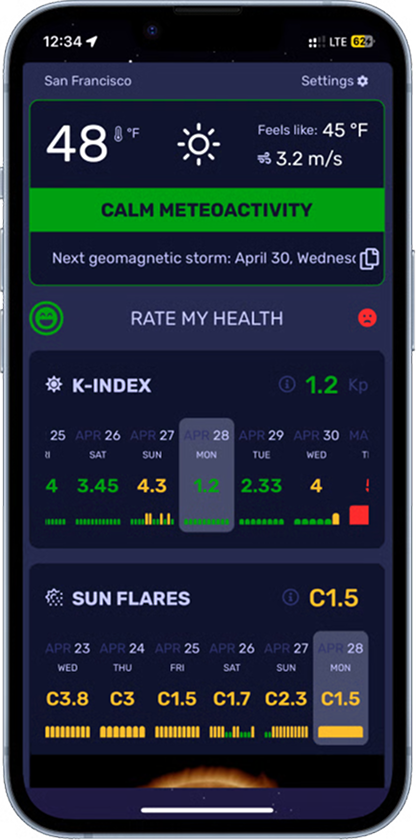
Lielākā daļa laikapstākļu jutīgu cilvēku atkal un atkal reaģē uz tiem pašiem 2-3 trigeriem – spiediena kritumu, aukstuma fronti, mākoņainu dienu virkni. Vienkāršas simptomu dienasgrāmatas veidošana kopā ar dienas atmosfēras spiedienu, temperatūras svārstībām vai ģeomagnētisko aktivitāti (reāllaikā pieejama, izmantojot MeteoAgent prognožu kartes) ļauj daudz vieglāk atšķirt nejaušu sliktu dienu no patiesas laikapstākļu reakcijas un redzēt, kurš konkrētais faktors ietekmē jūs personīgi. Šāda veida izsekošana neaizstāj ārsta diagnozi, bet tā sniedz gan jums, gan ārstam skaidrāku priekšstatu, ar ko strādāt.
Miegs
Centieties ievērot konsekventu gulētiešanas un celšanās laiku – neregulārs miegs pastiprina asinsvadu un cerebrālos simptomus (galvassāpes, aizkaitināmība, dienas nogurums).
Prognozētās "grūtās" dienās gulētiešana 30–60 minūtes agrāk var mazināt nākamās dienas nogurumu, jo ķermenis jau tā tērē papildu enerģiju pielāgošanai.
Uzturiet guļamistabu vēsu, tumšu un labi vēdinātu; smacīgs gaiss mēdz pastiprināt galvassāpes un miegainību neatkarīgi no pašiem laikapstākļiem.
Hidratācija un uzturs
Pietiekams ūdens daudzums atbalsta asinsspiediena regulēšanu, kas ir vissvarīgākais asinsvadu un kardiorespiratoro simptomu grupām.
Vieglāk sagremojamas maltītes jutīgās dienās var atvieglot dispeptiskos simptomus, par kuriem daži cilvēki ziņo (vēdera uzpūšanās, slikta dūša, apetītes izmaiņas).
Nedaudz samazinot sāls daudzumu ap prognozētām spiediena izmaiņām, var palīdzēt hipertensīvā tipa reaģētājiem; kofeīna un alkohola samazināšana palīdz neatkarīgi no asinsspiediena veida, jo abi noslogo sirds un asinsvadu sistēmu.
Tie ir vispārīgi, mēreni pielāgojumi – nevis stingra diēta un nevis aizstājējs ārsta jau noteiktam uztura plānam.
Kustība
Vieglas, regulāras aktivitātes – pastaigas, stiepšanās, peldēšana – uzlabo asinsriti un bieži vien mazina locītavu un muskuļu stīvumu, kas saistīts ar mitrām vai aukstām frontēm.
Dienās ar izteiktu diskomfortu ir labi samazināt intensitāti, nevis izlaist kustību pavisam; viegla aktivitāte parasti ir vieglāk panesama nekā pēkšņs smags treniņš un vieglāka nekā nekāda aktivitāte.
Reimatoīda tipa simptomu gadījumā (locītavu/muskuļu sāpes, stīvums) siltums – silta duša, sildīšanas spilventiņš vai brīvs silts apģērbs – ir vienkāršs un zema riska veids, kā mazināt diskomfortu mitrā vai spiediena krituma laikā.
Gaisma un noskaņojums
Samazināts dienas gaismas daudzums rudenī un ziemā ir saistīts ar zemāku aktivitāti un noskaņojuma pazemināšanos daudziem cilvēkiem neatkarīgi no konkrētiem laikapstākļu notikumiem.
Uzturēšanās ārā dienas gaišajā laikā, pat īslaicīgi, vai dienas gaismas lampas lietošana iekštelpās ir mazpūliens prasošs veids, kā novērst šo sezonālo kritumu.
Ja zems noskaņojums kļūst pastāvīgs, nevis saistīts ar konkrētām laikapstākļu dienām, tas ir jāapspriež ar ārstu, nevis jārisina pašam.
Stress un nervu sistēma
Cilvēki ar labilu nervu sistēmu vai veģetatīvi-asinsvadu distoniju mēdz asāk izjust laikapstākļu izmaiņas caur aizkaitināmību, trauksmi vai miega traucējumiem.
Vienkārši regulēšanas rīki – lēna elpošana, īsa pastaiga, ekrāna laika samazināšana pirms gulētiešanas – nemainīs laikapstākļus, bet tie samazina kopējo slodzi nervu sistēmai, kas jau tā smagi strādā, lai pielāgotos.
Plānošana, izmantojot prognozes
Iepriekšējā vakarā pārbaudot rītdienas spiedienu, temperatūras svārstības vai ģeomagnētisko aktivitāti, ir iespējams plānot vieglāku grafiku prasīgākajās dienās, nevis tikt pārsteigtam.
Tas ir īpaši noderīgi cilvēkiem, kuri pamana aizkavētas reakcijas (1–2 dienas pēc laikapstākļu izmaiņām) – iepriekš aprakstītā dienasgrāmata palīdz identificēt jūsu personīgo aizkavēšanās laiku.
Kad apmeklēt ārstu
Viegli simptomi, kas neietekmē ikdienas funkcionēšanu, ir bieži un parasti ir pārvaldāmi ar iepriekš minētajiem soļiem.
Mērenas vai smagas reakcijas – īpaši tās, kas atgādina hipertensīvu krīzi, sāpes krūtīs, smagus reiboņus vai ģīboni – vienmēr jānovērtē medicīnas speciālistam, nevis jāpārvalda tikai ar dzīvesveida pielāgojumiem.
Ja laikapstākļu jutība ir jauna, pasliktinās vai kļūst arvien traucējošāka, šis modelis pats par sevi ir vērts pieminēt ārstam, jo tas dažkārt var norādīt uz pamatslimību (sirds un asinsvadu, endokrīnu vai citu), kas vēl nav diagnosticēta.
Secinājums
Lai cik banāli tas neizklausītos, vissvarīgākais cīņā pret laikapstākļu jutību ir veselīgs dzīvesveids!
Pirmkārt, tas nozīmē vismaz 7–8 stundas pilnvērtīga miega dienā un sabalansētu uzturu ar ierobežotu treknu un sāļu pārtikas patēriņu, kā arī pietiekamu šķidruma uzņemšanu.
Nepieciešama arī saprātīga fiziskā aktivitāte, atteikšanās no sliktiem ieradumiem un kafijas patēriņa samazināšana. Visi šie pasākumi kopā pozitīvi ietekmēs ķermeņa stāvokli kopumā, un laikapstākļu atkarīgiem cilvēkiem būs daudz vieglāk izturēt tās kaprīzes.